
Sauces & Condiments
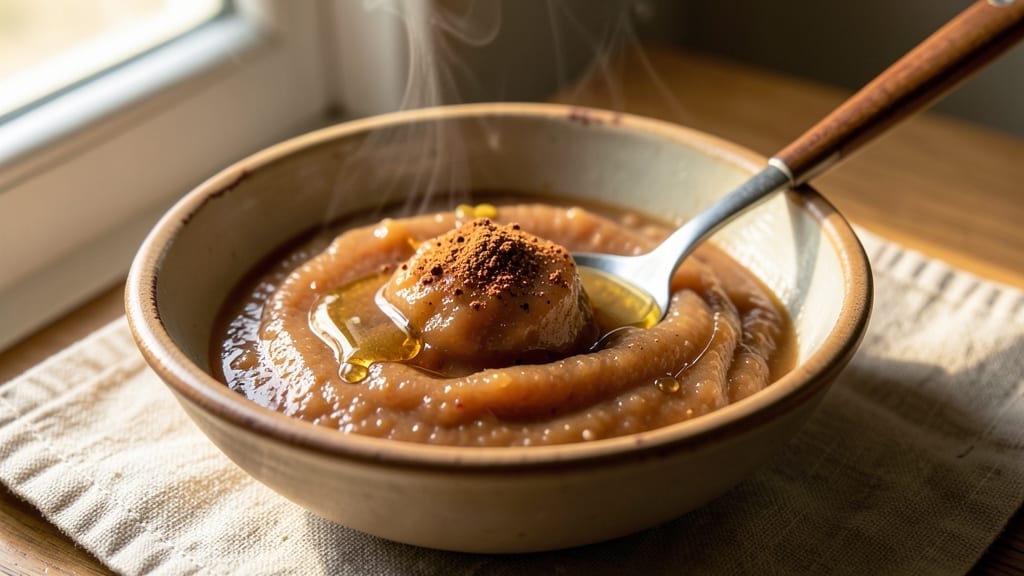
This apple sauce recipe with honey transforms simple apples into a velvety, naturally sweet condiment that elevates everything from pork chops to oatmeal. The slow cooker method ensures tender fruit and concentrated flavor without sticking to your stovetop—just peel, core, and let the spices work their magic.
Honey balances the tartness while adding depth, creating a sauce that’s rich enough for desserts but versatile enough for savory dishes.
The secret to perfect texture lies in the cooking method: 30 minutes in a slow cooker on high yields a smooth, spreadable consistency, while a stovetop approach (20 minutes) keeps subtle chunks for texture lovers.
Cinnamon and vanilla infuse warmth, but you can adjust sweetness to taste—this isn’t just apple sauce, it’s a blank canvas for your favorite flavors. Store it in the fridge for up to 2 weeks or freeze for months.
Think beyond applesauce as a side dish—drizzle it over yogurt for a breakfast boost, use it to glaze ham, or serve it warm with vanilla ice cream. The honey’s caramel notes mellow as it cools, making this sauce even more complex over time.
It’s the kind of homemade treat that tastes like fall in every bite, without the fuss of canning.
Ready in under 30 minutes, this recipe delivers restaurant-quality results with pantry staples. No peeling skills? Use pre-cut apples or a food processor for convenience. The possibilities are endless—let’s get cooking.
Ingredients for apple sauce recipe with honey
Eight simple ingredients transform tart apples into velvety honey-spiced sauce perfect for any meal.
| Ingredient | Amount | Notes |
|---|---|---|
| Apples 🍎 | 4 medium | Peeled and cored, any variety |
| Honey 🍯 | ¼ cup | Raw or liquid for best flavor |
| Cinnamon 🌿 | 1 tsp | Ground for warmth |
| Vanilla Extract 🍦 | ½ tsp | Pure vanilla preferred |
| Lemon Juice 🍋 | 1 tbsp | Freshly squeezed |
| Water 💧 | ¼ cup | For smooth texture |
| Salt 🧂 | ¼ tsp | Kosher or sea salt |
| Butter 🧈 | 1 tbsp | Unsalted, for richness |
Apples are the foundation—Granny Smith or Honeycrisp work best for balance, but any variety will do. Whole Foods or local orchards often carry organic options, which reduce bitterness. Look for firm, unblemished fruit—soft spots mean watery sauce. The honey should be raw or liquid for best flavor; avoid crystallized varieties. If you're short on time, pre-cut apples from the salad bar save peeling effort without sacrificing quality. For extra convenience, frozen apples work too—thaw and drain before using.
No honey? Maple syrup or agave work in a pinch, though flavor will differ slightly. Skip the vanilla? Almond extract at half the amount adds depth without overpowering. The butter isn't mandatory—olive oil or coconut oil can replace it—but it adds richness that makes this sauce feel indulgent. For a spicier kick, add a pinch of cayenne or nutmeg. If your apples are particularly tart, increase honey to 1/3 cup for perfect balance. The lemon juice brightens everything—don't skip it, even if your apples seem sweet.
This sauce thickens as it cools, so add 1-2 tbsp water if it's too stiff. Store in an airtight container in the fridge for 2 weeks or freeze for 6 months. For best texture, reheat gently on the stove with a splash of water. I always make extra—it disappears fast on toast, pancakes, or even as a glaze for roasted chicken. The flavor actually improves overnight as the spices meld.
Why You'll Love This Recipe
- Five-Ingredient Magic: Peel, core, and simmer—no fancy skills needed. The apples soften in one pot while the honey and cinnamon work their flavor spell, and honestly? That’s about it.
- Sweet & Warm Hug: The honey deepens as it cooks, balancing the tart apples, while a splash of lemon juice keeps it bright. A whisper of vanilla ties it all together—like a spiced hug in a jar.
- Breakfast to Dessert: Spread it on toast, stir it into yogurt, or drizzle it over pancakes. I’ve even used it as a glaze for roasted chicken—suddenly, everything feels more special.
- No-Waste Winner: A few apples go a long way, and leftovers keep beautifully in the fridge for days. Between us, this is my go-to when I’ve got too many apples and not enough time to fuss.
Step-by-step instructions for warm apple sauce with honey
Transform simple ingredients into velvety-smooth apple sauce in under 30 minutes.
Prep and Cook the Apples
Place the 4 medium peeled and cored apples into a medium saucepan. Add the 0.25 cup water and bring to a gentle boil over medium heat. Once boiling, reduce heat to medium-low and let the apples simmer uncovered for 12-15 minutes until completely tender.
Here's the thing—you'll know they're ready when a fork slides in easily with no resistance. If you're using firm varieties like Granny Smith, they might need closer to 15 minutes. For softer apples like Fuji, 12 minutes should suffice. Keep an eye on them to prevent overcooking, which can make the sauce mushy.
Mash and Season the Mixture
Using a potato masher or wooden spoon, gently mash the cooked apples until you achieve a chunky texture with some small pieces remaining. This preserves the natural texture of the apples while creating a satisfying mouthfeel. Add the 0.25 cup honey and stir until fully incorporated.
Next, add the 1 tbsp lemon juice, 1 tsp cinnamon, 0.5 tsp vanilla extract, and 0.25 tsp salt. Stir well to combine all ingredients thoroughly. The lemon juice brightens the flavor while balancing the sweetness, and the cinnamon adds that comforting warmth we all love in apple dishes. Taste as you go—you can always add more honey if needed, but you can't take it out once it's in.
Finish with Butter for Richness
Add the 1 tbsp butter to the saucepan over low heat. Stir constantly for 2-3 minutes until the butter melts completely and the sauce becomes glossy. This step adds a luxurious richness that pairs perfectly with the natural sweetness of the apples and honey.
Real talk: the butter also helps create a smoother texture by coating the apple fibers. If you prefer a completely smooth sauce, you can use an immersion blender at this stage to puree it to your desired consistency. For a rustic texture, leave some small apple pieces as they add delightful contrast.
Adjust and Serve Warm
Taste the sauce and make any final adjustments—perhaps a touch more honey for sweetness or a pinch more salt for balance. The sauce should be naturally sweet from the apples and honey but still have that bright acidity from the lemon juice.
Transfer the apple sauce to a serving bowl or small jars. Serve warm with pancakes, waffles, or toast for breakfast, or use as a topping for yogurt, oatmeal, or even as a filling for pastries. The warm spices and natural sweetness make this versatile sauce perfect for any time of day.
Pro Tips For Making Apple Sauce Recipe With Honey
- PEEL AND CORE LIKE A PRO: Cut apples in half first, then slice them away from you while holding the core steady—this keeps your fingers safe and the fruit intact. I used to rush this and end up with a mess of apple bits and a trip to the ER (okay, maybe just a bandage). A sharp paring knife works better than a serrated one for clean cuts.
- COOK LOW AND SLOW: Simmer apples on medium-low heat until they’re fork-tender—about 15-20 minutes. High heat turns them mushy and releases too much starch, making the sauce gluey. I learned this the hard way after serving a batch that stuck to the spoon like wallpaper paste.
- SWEETEN WITH CAUTION: Start with half the honey called for, then taste as you go—apples release natural sugars while cooking. Adding all the honey upfront can make the sauce cloying, especially if using tart varieties like Granny Smith. Adjust at the end for balance.
- STRAIN FOR SMOOTHNESS: If you want a silky texture, press the cooked apples through a fine-mesh sieve while hot—this separates the pulp and keeps the sauce velvety. I skip this when I’m lazy, but the difference is noticeable, especially with skins on. A clean kitchen towel works in a pinch if you’re out of a sieve.
Troubleshooting your apple sauce recipe with honey
Grainy Texture Fix
If your sauce turns out too chunky, add 1-2 tbsp water and blend with an immersion blender until smooth. For a rustic look, simply mash with a fork—chunky textures work beautifully with yogurt or oatmeal. Over-mashing? Try a food mill for controlled consistency. 🍏
Honey Crystallization
Store-bought honey sometimes crystallizes, making your sauce grainy. Warm the sauce gently on low heat for 2-3 minutes while stirring until smooth. Raw honey is less likely to crystallize, so opt for it if this happens often. For extra insurance, add ½ tsp lemon juice to prevent separation.
Too Thin Sauce
If your sauce is watery, simmer uncovered for an extra 5-10 minutes to evaporate excess liquid. For immediate thickening, mix 1 tbsp cornstarch with 1 tbsp water, stir into the sauce, and cook for 2 minutes until thickened. Avoid over-reducing—you want a velvety texture, not jam-like consistency.
Burnt Apples
Watch your heat level closely—medium-low is key. If your apples start to brown too quickly, reduce heat to low and cover the pan. A splash of water can also help steam the apples gently. For even cooking, place apples cut-side down in the pan. 🔥
Lacking Sweetness
Need more sweetness? Add 1-2 tbsp honey and reheat gently. If your apples were particularly tart, consider using a sweeter variety like Gala next time. For depth, a pinch of cardamom or ginger adds warmth without extra sweetness. Taste as you go—you can always adjust!
Spice Overload
Too much cinnamon or vanilla? Balance it with ½ tsp baking soda—it neutralizes spice flavors. For a fresh start, mix 1 tbsp yogurt into the sauce to mellow the spices. If you love bold flavors, reduce cinnamon to ½ tsp and add ¼ tsp nutmeg for complexity.
Nutrition facts
Frequently asked questions
Can I use this apple sauce as a glaze for meats?
This honey-spiced apple sauce makes an excellent glaze for pork chops, ham, or even roasted chicken. Simmer it for an extra 5 minutes to thicken slightly, then brush onto meats during the last 10 minutes of cooking. The honey caramelizes beautifully, creating a sticky, flavorful crust. For extra richness, add 1 tbsp brown sugar when glazing.
How do I make this recipe without added sugar?
Use ½ cup honey instead of ¼ cup and rely on naturally sweet apples like Fuji or Gala. For extra depth, add 1 tbsp maple syrup or a pinch of stevia. Tart apples like Granny Smith work best with this approach—just balance with 1 tbsp lemon juice to enhance sweetness naturally. Taste as you go and adjust honey gradually.
Can I substitute maple syrup for honey?
Yes, but expect a slightly different flavor profile. Use a 1:1 ratio of maple syrup for honey, but reduce cinnamon to ½ tsp since maple has its own earthy warmth. The syrup adds a deeper, almost caramel-like note that pairs beautifully with savory dishes. For a neutral swap, agave works too—just add 1 tsp vanilla extract to compensate for its lack of flavor complexity.
What's the best way to store leftovers?
Transfer to an airtight container and refrigerate for up to 2 weeks. For longer storage, freeze in small portions—it keeps quality for 6 months. To reheat, warm gently on the stove with a splash of water or microwave for 30 seconds, stirring until smooth. The sauce thickens as it cools, so add 1 tbsp water if needed before serving.
Why does my sauce separate when refrigerated?
This happens when the pectin in apples isn't fully activated. Fix it by simmering the cooked apples for 5 extra minutes to break down fibers, then blend until smooth. For prevention, add 1 tsp lemon juice** during cooking—it helps stabilize the mixture. If separation occurs, whisk vigorously or blend briefly before using. Raw honey also helps prevent separation better than processed varieties.