
Main Courses
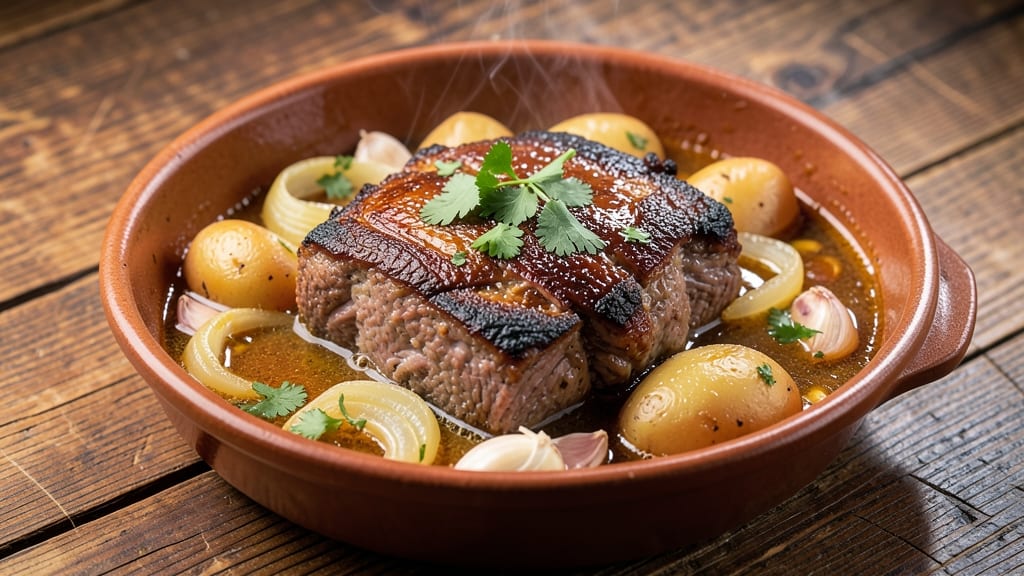
This beef caldereta recipe with pineapple juice transforms a simple pot of beef into a restaurant-worthy dish that balances rich, savory flavors with bright tropical tang. The secret lies in slow-simmering the meat until fork-tender while letting the pineapple juice tenderize and brighten the sauce—just like my first attempt years ago when I accidentally left the pot simmering too long and discovered this perfect balance.
What makes this recipe special is how the pineapple juice works its magic: it tenderizes the beef while adding a refreshing acidity that cuts through the richness of the tomato-based sauce.
Traditional ingredients like potatoes, carrots, and cabbage round out the dish, creating a hearty stew that's perfect for feeding a crowd or meal prepping for the week.
The result is a dish that's deeply comforting yet vibrant, with melt-in-your-mouth beef, tender vegetables, and a sauce that's rich yet bright. The pineapple juice ensures the flavors are balanced, and the slow cooking process develops a depth that you won't find in quick-cooked versions.
It's the kind of meal that feels special but comes together with simple ingredients and a little patience.
Serve it over steamed rice to soak up every last bit of that flavorful sauce, or pair it with crusty bread for a more rustic touch.
This recipe is perfect for any occasion, whether you're cooking for family or hosting a dinner party. Let's get started on creating this slow-simmered masterpiece.
Ingredients for beef caldereta recipe with pineapple juice
This hearty stew brings together rich beef and vibrant pineapple juice for a restaurant-worthy dish that's perfect for feeding a crowd.
| Ingredient | Amount | Notes |
|---|---|---|
| Beef Chuck Roast 🥩 | 2 ½ lb | Pre-cubed for even cooking |
| Pineapple Juice 🍍 | 1 ½ cups | Freshly squeezed preferred |
| Tomato Sauce 🍅 | 2 cups | High-quality canned preferred |
| Yellow Onions 🧅 | 2 whole | Medium, diced |
| Garlic Cloves 🧄 | 6 cloves | Minced for depth |
| Russet Potatoes 🥔 | 2 lb | Cut into 2-inch chunks |
| Carrots 🥕 | 1 ½ lb | Whole, peeled, cut into sticks |
| Green Cabbage 🥬 | 1 lb | Cut into wedges |
| Bay Leaves 🌿 | 2 whole | Fresh preferred |
| Ground Black Pepper 🌶️ | 1 tbsp | Freshly ground |
| Salt 🧂 | 1 ½ tsp | Adjust to taste |
| Olive Oil 🫒 | ¼ cup | Extra-virgin for richness |
| Soy Sauce 🍶 | 1 tbsp | For umami depth |
| White Wine 🍷 | 1 cup | Dry variety preferred |
The beef is the star—chuck roast gives you that melt-in-your-mouth texture after hours of slow simmering. Most grocery stores carry pre-cubed chuck, but if you're buying a whole roast, ask your butcher to cut it into 1.5-inch cubes for even cooking. The pineapple juice should be freshly squeezed if possible, but canned works too—just look for 100% pineapple juice with no added sugar. For the tomato sauce, Rao's or Muir Glen are my go-tos—they're rich and consistent. The potatoes and carrots should be firm and unblemished—no soft spots or wrinkles. Trader Joe's has great organic options if you're looking for quality produce.
No pineapple juice? Substitute with mango puree or extra tomato sauce—it won't be identical, but it'll still taste incredible. Running out of white wine? Dry chicken broth with a splash of apple cider vinegar works surprisingly well. The soy sauce is non-negotiable for that umami punch, but if you're avoiding gluten, tamari is a perfect substitute. Fresh bay leaves are ideal, but dried at half the amount will do in a pinch. For the cabbage, green or red both work—just make sure it's crisp and fresh. The olive oil matters here—use extra-virgin for that fruity richness that carries through the slow cooking process.
This stew tastes even better the next day—make a double batch if you're feeding a crowd. Store leftovers in the fridge for up to 5 days or freeze for 3 months. I like to portion mine into glass containers so I can grab a serving straight from the fridge. The flavors meld beautifully over time, so don't rush it. If you're meal prepping, cool the stew completely before refrigerating to prevent condensation, which can make the beef soggy. The sauce thickens as it cools, so you might want to add a splash of water or broth when reheating.
Why You'll Love This Recipe
- One-Pot Magic: I swear by this recipe when I’m too tired to scrub pots. The beef chuck roast practically melts into tender perfection while the pineapple juice and tomato sauce simmer down into a rich, velvety sauce—no extra bowls needed.
- Sweet-Savory Balance: That pineapple juice isn’t just for flavor—it cuts through the richness of the beef and onions, balancing everything with a subtle tang. Honestly, the first time I tasted it, I thought, “Why didn’t I add this sooner?”
- Weeknight to Party: Between us, this dish is my secret weapon for both lazy Tuesdays and Sunday gatherings. The slow-cooked beef stays juicy, and the sauce thickens just enough to serve over rice or as-is—no fuss, just satisfaction.
- Budget-Friendly Feast: A whole chuck roast feeds six for less than $20, and the pineapple juice stretches the flavors without breaking the bank. Plus, leftovers? They taste even better the next day—if there are any left. (Spoiler: there won’t be.)
Step-by-step instructions for beef caldereta with pineapple juice
This rich, tropical stew delivers melt-in-your-mouth beef and tender vegetables in a velvety sauce.
Sear the Beef Chuck Roast for Deep Flavor
Heat the 0.25 cup olive oil in a large Dutch oven over medium-high heat until shimmering. Pat the 2.5 lb beef chuck roast dry with paper towels—this ensures a proper sear. Working in batches, brown the beef on all sides for 3-4 minutes per side until deeply caramelized. You'll smell that irresistible meaty aroma developing.
Remove the beef from the pot and set it aside. Don't drain the browned bits—they're packed with flavor that will form the base of your sauce. If your pot gets too crowded, work in two batches to avoid steaming instead of searing. This step creates the rich foundation for your caldereta's complex flavors.
Sauté Onions and Garlic for Aromatic Depth
In the same Dutch oven, add the 2 whole yellow onions (diced) and cook for 5-6 minutes until softened and golden. Stir occasionally to prevent burning. Add the 6 cloves garlic cloves (minced) and cook for 30 seconds until fragrant—you should smell that sweet, pungent garlic aroma filling your kitchen.
Here's where it gets good: Pour in the 1 cup white wine and scrape up all those delicious browned bits from the bottom of the pot. Let the wine simmer for 2-3 minutes until reduced by half. This deglazing step captures all that meaty flavor and forms the base of your sauce. The alcohol will cook off, leaving behind just the rich, savory essence.
Build the Sauce with Tomato and Pineapple
Add the 2 cups tomato sauce, 1.5 cups pineapple juice, 1 tbsp soy sauce, 1.5 tsp salt, and 1 tbsp ground black pepper to the pot. Stir well to combine all ingredients. The pineapple juice will add that signature tropical tang that makes caldereta special, while the tomato sauce provides depth and body.
Bring the mixture to a gentle simmer, then return the browned beef to the pot. Add the 2 whole bay leaves and cover partially. Let it simmer gently for 1 hour, stirring occasionally. You want the beef to become fork-tender while developing rich flavors. The sauce should reduce slightly, becoming thicker and more concentrated.
Add Vegetables for Hearty Texture
After the beef has simmered for 1 hour, add the 2 lb russet potatoes (cut into 2-inch chunks), 1.5 lb carrots (cut into sticks), and 1 lb green cabbage (cut into wedges). Stir gently to coat the vegetables in the sauce. The potatoes and carrots will absorb the rich flavors while adding hearty texture to the dish.
Continue simmering uncovered for another 30-40 minutes until the vegetables are tender and the sauce has thickened to a perfect consistency. The potatoes should be fork-tender with a slight resistance, and the carrots should be easily pierced with a fork. The cabbage should wilt slightly but still hold its shape.
Finish and Rest for Perfect Texture
Once the vegetables are tender, remove the 2 whole bay leaves from the pot. Taste the sauce and adjust seasoning if needed—you might want to add a bit more salt or pepper to suit your preference. The dish should have a perfect balance of sweet, savory, and tangy flavors.
Let the caldereta rest for 10 minutes before serving. This resting period allows the flavors to meld together and the juices to redistribute throughout the beef and vegetables. Serve hot with steamed rice to soak up that delicious sauce. The combination of tender beef, sweet pineapple, and hearty vegetables creates a truly satisfying meal that's perfect for any occasion.
Pro Tips For Making Beef Caldereta Recipe With Pineapple Juice
- SEAR THE BEEF FIRST: I learned this the hard way—skipping the sear means flavorless beef. Brown the chuck roast in batches over medium-high heat until deep golden, then pull it out. That crust locks in juices and balances the sweetness of the pineapple juice later.
- USE CONCENTRATED PINEAPPLE JUICE: Fresh pineapple juice works, but canned concentrated juice cuts prep time in half. Just dilute it 1:1 with water—it’s cheaper, sweeter, and won’t water down your sauce. (Yes, even if you’re impatient like me.)
- SIMMER LOW AND LONG: Caldereta needs patience—don’t rush the cooking. After browning, reduce heat to a bare simmer (just tiny bubbles) and let the beef cook for at least 3 hours. Low heat keeps the chuck tender without turning the tomato sauce into mush.
- SAUTÉ ONIONS AND GARLIC UNTIL GOLDEN: This isn’t the prettiest method, but it’s the tastiest. Cook the onions and garlic until they’re deep golden, almost caramelized, before adding the tomato sauce. It adds a rich depth that cuts through the sweetness of the pineapple juice.
Storing and reheating this dish
Fridge Storage Tips
Let your caldereta cool to room temperature before transferring to airtight containers—I use glass Pyrex with snap-on lids to maintain freshness. Store in the fridge for up to 5 days, but I find the flavors actually deepen after 24 hours as the pineapple juice continues to tenderize the beef.
The sauce thickens as it sits, so you might want to add 2-3 tablespoons of water or beef broth when reheating. 🧊
Freezer-Friendly Prep
For longer storage, portion the caldereta into freezer-safe glass containers or heavy-duty plastic bags, leaving 1 inch of headspace for expansion. Seal tightly to prevent freezer burn and label with the date.
It keeps beautifully for 3 months, though I recommend using it within 2 months for optimal texture. When ready to eat, thaw overnight in the fridge before reheating. 🥶
Reheating on Stovetop
My preferred method is stovetop reheating—it preserves the sauce's velvety texture. Pour the caldereta into a pot over medium-low heat and add ¼ cup water or beef broth to prevent sticking. Simmer gently for 10-15 minutes, stirring occasionally, until heated through (165°F internal temp).
Taste and adjust seasoning—the pineapple juice can make the dish taste slightly sweeter after reheating, so a pinch of salt often helps. 🔥
Microwave Shortcuts
For quick meals, transfer a single serving to a microwave-safe dish, cover loosely with a microwave-safe lid, and heat on high for 3-4 minutes, stirring halfway. If the sauce looks too thick, add 1-2 tablespoons of water or pineapple juice to loosen it up.
Avoid overcooking—just until steaming hot (165°F). This method works best for individual portions rather than the whole pot. ⏱️
Reviving Day-Old Texture
If your caldereta has thickened too much after refrigeration, don't worry—just add 2-3 tablespoons of pineapple juice or water while reheating. The acidity from the pineapple helps restore balance to the sauce.
For extra richness, stir in 1 tablespoon of olive oil or a splash of white wine during reheating. This trick works wonders for restoring that restaurant-quality consistency. 💫
Meal Prep Strategy
Double the recipe and store half in the fridge for 3-4 days while keeping the other half frozen. I like to prep two large batches on weekends—one for immediate meals and one for future dinners.
When reheating, the fridge portion takes 10 minutes on the stovetop, while the frozen portion needs thawing overnight before reheating. This approach ensures you always have a hearty, flavorful meal ready to go. 📅
Nutrition facts
Frequently asked questions
Why does pineapple juice make this beef stew different?
The pineapple juice serves three key purposes: it tenderizes the beef through its natural enzymes, adds a bright tropical tang that cuts through the richness of the tomato sauce, and balances the savory flavors with subtle sweetness. This is what makes caldereta distinct from other beef stews—without it, you'd miss that signature Filipino restaurant taste.
Can I use canned pineapple juice instead of fresh?
Yes, canned pineapple juice works perfectly fine! Look for brands with no added sugar to maintain the proper balance of flavors. If you're using canned juice, you might want to reduce the sauce slightly longer to concentrate the flavors since canned versions can be slightly more diluted than fresh. The texture difference is minimal.
What's the best cut of beef for this recipe?
Chuck roast is ideal because it becomes incredibly tender when slow-cooked, developing that melt-in-your-mouth texture. If you can't find chuck, chuck shoulder or stew meat work well too. Avoid leaner cuts like sirloin—they won't become as tender during the long cooking process.
How do I know when the beef is fully cooked?
The beef should be fork-tender with no pink center when pierced—it should easily shred apart. For perfect doneness, cook until the internal temperature reaches 195°F (this is higher than typical beef temps because of the long cooking process). The sauce should coat the back of a spoon and the vegetables should be tender but not mushy.
Can I make this recipe without wine?
For every 1 cup of white wine called for, substitute with 1 cup of dry chicken or vegetable broth plus 1 teaspoon of apple cider vinegar. This maintains the acidity and depth of flavor without the alcohol. The dish will still be delicious—just slightly less complex in aroma.