
Sauces & Condiments
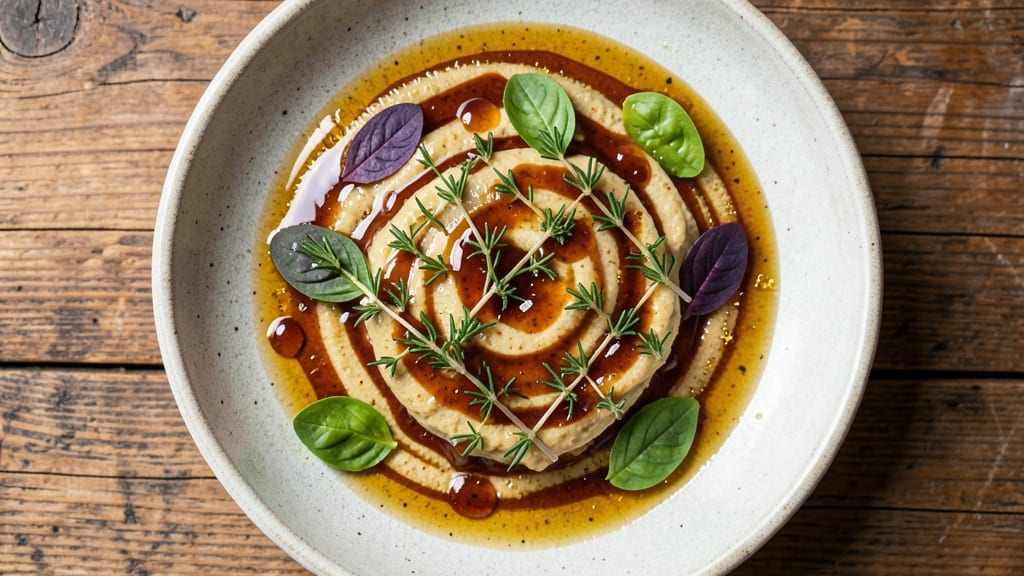
This Braggs apple cider vinegar salad dressing transforms simple greens into a vibrant, tangy-sweet masterpiece with just six ingredients. The secret lies in balancing sharp apple cider vinegar with rich olive oil, creating a silky emulsion that clings perfectly to every leaf.
I developed this recipe after years of testing—it’s the one that finally made store-bought dressings obsolete.
The magic happens when you whisk together Braggs apple cider vinegar, extra-virgin olive oil, Dijon mustard (for stability), and a touch of honey or maple syrup to soften the acidity.
A pinch of salt and black pepper rounds out the flavors, while fresh herbs like thyme or basil add an aromatic lift. This dressing stays fresh for up to two weeks in the fridge, making it ideal for meal prep.
What sets this apart is its versatility—it elevates crisp romaine, hearty kale, and even grain bowls with equal brilliance. The tangy-sweet balance cuts through rich ingredients like avocado or grilled chicken, while the emulsified texture prevents separation, even after hours in the fridge.
It’s the kind of dressing that turns a basic salad into a restaurant-worthy dish.
For extra depth, try adding a splash of lemon juice or a dash of smoked paprika. Store it in a sealed jar, and shake before each use to maintain that perfect consistency. Ready to elevate your salads? Let’s make this dressing—the one that will become your go-to for every meal.
Ingredients for braggs apple cider vinegar recipe salad dressing
Six simple ingredients create this tangy-sweet dressing that'll make salads your new favorite meal.
| Ingredient | Amount | Notes |
|---|---|---|
| Braggs Apple Cider Vinegar 🍏 | ½ cup | Unfiltered for best flavor |
| Extra-Virgin Olive Oil 🫒 | ¾ cup | High quality, fruity variety |
| Dijon Mustard 🌶️ | 1 tbsp | For stable emulsion |
| Raw Honey 🍯 | 2 tbsp | Or maple syrup for vegan |
| Fresh Thyme Leaves 🌿 | ¼ cup | Or 1 tsp dried thyme |
| Fresh Basil Leaves 🌿 | ¼ cup | Chopped, for aromatic lift |
| Kosher Salt 🧂 | ½ tsp | Diamond Crystal preferred |
| Freshly Ground Black Pepper 🌶️ | ¼ tsp | For subtle heat |
| Lemon Juice 🍋 | 1 tbsp | Optional for extra brightness |
| Smoked Paprika 🌶️ | ¼ tsp | Optional for depth |
The Braggs apple cider vinegar is non-negotiable here—its sharp, mellow flavor is what makes this dressing special. Grab the unfiltered version from the vinegar aisle (not the salad dressing section), and look for bottles with sediment—those have the most character. Trader Joe's and Whole Foods both carry it, but if you're at a regular grocery store, check the condiments section near the mustard. I always buy extra because it's great for marinades too. The olive oil should be something you'd drizzle on bread—none of that cheap cooking oil stuff. California Olive Ranch or Bertolli are solid mid-range options if you're not splurging on the fancy stuff.
No honey? Maple syrup works perfectly—just use the same amount. Fresh out of thyme? Dried thyme at one-third the amount keeps the flavor, though fresh is definitely better. The Dijon mustard is key for that stable emulsion—whole-grain Dijon if you're feeling fancy, but regular works fine. Want to skip the herbs? A teaspoon of dried oregano gives a similar earthy note. The lemon juice and smoked paprika are optional but worth it if you've got them—just add them at the end and give it a little shake. If you're making a big batch, double the recipe but store it in smaller jars so it's ready to grab for quick salads.
This dressing keeps like a dream—up to 2 weeks in the fridge if you store it properly. Use a clean, airtight jar (I like the wide-mouth ones for easy shaking) and press the ingredients down to minimize air exposure. Give it a good shake before each use—it'll separate a little, but that's normal. For extra shelf life, add a thin layer of olive oil on top before sealing. It freezes beautifully too—just thaw in the fridge overnight. I make a big batch every Sunday so I've got dressing ready for the week. Trust me, you'll reach for this instead of store-bought after the first use.
Why You'll Love This Recipe
- Five-Ingredient Magic: I swear by this combo—just shake it up, and boom, you’ve got dressing. No fancy tools, no measuring cups, no stress. The Braggs vinegar’s tang cuts through the richness of olive oil, while the honey and mustard balance it like a perfect hug.
- Tangy-Sweet Balance: Honestly, the honey and thyme make this ridiculously good. The vinegar’s sharpness mellows into something bright and complex, not too sour, not too sweet—just right. It’s the kind of dressing that makes you take a second bite without thinking.
- Picnic to Potluck: This is my go-to for everything. Toss it on greens for a quick lunch, drizzle it over roasted veggies, or even use it as a marinade. It’s the one bottle I always pack—whether I’m feeding the family or bringing a dish to a BBQ.
- Lasts a Week: Between us, I make a big batch and it’s still good when I open the fridge a week later. No weird separation, no weird smells—just pure, reliable flavor. And since it’s cheap to make, I’m not stressing over wasted ingredients. Win-win.
Step-by-step instructions for tangy apple cider vinaigrette
This dressing comes together in minutes with just a whisk and a few simple ingredients.
Whisk Together Vinegar, Honey, and Mustard
Start by combining the 0.5 cup Braggs Apple Cider Vinegar, 2 tablespoons raw honey, and 1 tablespoon Dijon mustard in a medium bowl. Use a whisk to mix these ingredients vigorously for 30-45 seconds until the honey dissolves completely and the mixture becomes smooth and homogeneous.
Here's the thing—this initial blend creates the foundation for that perfect tangy-sweet balance. The honey helps temper the sharpness of the vinegar while the mustard acts as an emulsifier, ensuring your dressing stays creamy rather than separating. If you're using maple syrup instead of honey, don't rush this step—the syrup needs time to fully incorporate.
Gradually Incorporate the Olive Oil
With the whisk still in the bowl, begin adding the 0.75 cup extra-virgin olive oil in a slow, steady stream. Continue whisking constantly as you pour—this is where the magic happens. The oil should emulsify into the vinegar mixture, creating a thick, velvety consistency.
I like to add the oil gradually because pouring it all at once can overwhelm the emulsifiers and cause the dressing to split. You want to see the mixture thicken noticeably as you whisk. If it starts looking too thin, just keep whisking for another 10-15 seconds—patience here prevents a greasy dressing later.
Add Herbs, Salt, and Seasonings
Next, fold in the 0.25 cup fresh thyme leaves and 0.25 cup fresh basil leaves using a wooden spoon. Then add the 0.5 teaspoon kosher salt, 0.25 teaspoon freshly ground black pepper, 1 tablespoon lemon juice, and 0.25 teaspoon smoked paprika. Give everything a gentle stir to distribute the herbs and seasonings evenly throughout the dressing.
The herbs should be finely chopped before adding—this ensures they disperse smoothly rather than creating clumps. The lemon juice brightens the flavors while the smoked paprika adds a subtle depth that pairs beautifully with the apple cider vinegar. Taste as you go and adjust the salt if needed, but remember that the vinegar is already quite flavorful.
Let It Rest Before Using
Cover the bowl with plastic wrap and let the dressing sit at room temperature for at least 10 minutes. This resting period allows all the flavors to meld together, resulting in a more cohesive taste. The dressing will also thicken slightly during this time, which is ideal for coating greens without making them soggy.
If you're in a hurry, you can use the dressing immediately, but I promise the extra 10 minutes makes a noticeable difference in flavor. The herbs will release more of their aromatic oils, and the vinegar's sharpness will mellow just enough to create a perfectly balanced dressing. Once rested, give it one final stir before using—this ensures the herbs are evenly distributed in every pour.
Pro Tips For Making Braggs Apple Cider Vinegar Recipe Salad Dressing
- STIR VIGOROUSLY: Whisk that Dijon mustard into the vinegar first—don’t just splash it in. You’re emulsifying, not making vinaigrette soup, and a quick, firm stir with a fork or small whisk (10 seconds of real effort) keeps the oil from separating later. I learned this after a salad disaster where the dressing split like oil on water.
- USE COLD HONEY: Drizzle the raw honey into the warm mustard-vinegar mix after the oil comes in. Cold honey thickens less and blends smoother—no clumps, no weird texture. If you’re impatient, chill the honey in the fridge for 10 minutes first. Trust me, your dressing will thank you.
- MEASURE THE THYME: Tear thyme leaves off the stems with your fingers, not your teeth—you’re not making tea. Use about 3-4 sprigs (or 1 teaspoon dried), then adjust to taste. Too much thyme turns this into herbal tea; too little makes it forgettable. Smell the leaves first—if they’re weak, double it.
- EMULSIFY IN STAGES: Add the olive oil slowly while whisking like you’re painting a fine line. Start with 1 tablespoon, let it blend, then add more in drizzles. This keeps the dressing silky, not greasy. I used to dump it all in at once—now I get a proper emulsion every time.
Dietary considerations for this dish
Gluten-Free Friendly
This dressing is naturally gluten-free—no wheat-based ingredients are used, making it safe for those with celiac disease or gluten sensitivity. The Dijon mustard (check for gluten-free certification) and honey/maple syrup are the only components that might raise concerns.
I always opt for certified gluten-free mustard like Annie’s or Kraft Gluten-Free Dijon to ensure safety. The Braggs apple cider vinegar is also gluten-free, so you can enjoy this dressing worry-free. ✨
Vegan Adaptations
For a vegan version, simply swap the raw honey for maple syrup or agave nectar—both work beautifully without altering the tangy-sweet balance. The Dijon mustard is typically vegan, but double-check the label if you're strict about it.
I’ve tested this with Annie’s Organic Dijon and found it works perfectly. The herbs, salt, pepper, and spices are all naturally vegan, so no other substitutions are needed. 🌱
Low-Sugar Options
If you're watching your sugar intake, reduce the honey or maple syrup to 1 tablespoon instead of 2—this cuts the sweetness by half while still softening the vinegar’s sharpness.
For extra depth, add ½ teaspoon of vanilla extract or a pinch of ground cinnamon to enhance the flavor without adding sugar. I’ve found that monk fruit sweetener (like Lakanto) can also work in small amounts, but it requires careful balancing. 💪
Allergen Considerations
This dressing is nut-free, dairy-free, and egg-free, making it safe for most common allergies. The only potential allergens are mustard and honey (if you have a bee allergy). For those with mustard allergies, omit it entirely—the dressing will still emulsify well, though it may separate slightly faster.
Store it in the fridge and shake before using. If you're allergic to honey, stick with maple syrup or agave as alternatives. Always check labels on store-bought ingredients! 🧂
Soy-Free & Nightshade-Free
This recipe is naturally soy-free and nightshade-free, which is great for those avoiding those ingredients.
The Dijon mustard is the only component that might contain nightshades (from the mustard seeds), but if you're strict about it, you can replace it with 1 teaspoon of apple cider vinegar and whisk it in at the end—just know the emulsion might be slightly less stable.
For soy-free diets, no changes are needed since none of the ingredients contain soy. 🌿
Keto-Friendly Adjustments
To make this dressing keto-friendly, reduce the honey or maple syrup to 1 teaspoon (or omit entirely) and add ½ teaspoon of erythritol or stevia for a touch of sweetness without carbs. The olive oil provides healthy fats, keeping it low-carb while still satisfying.
I’ve found that 1 tablespoon of lemon juice adds enough brightness to balance the vinegar’s tang without extra sugar. Just be mindful of the net carbs from the honey or sweetener you choose. 💛
Nutrition facts
Frequently asked questions
Can I make this dressing without Dijon mustard?
Yes, but the emulsion may separate faster. Replace the 1 tablespoon Dijon mustard with 1 teaspoon of apple cider vinegar or ½ teaspoon of xanthan gum (dissolved in 1 tbsp water) to stabilize it. Whisk vigorously and store in the fridge—shake well before each use. The flavor will be slightly less rich, but it’ll still work beautifully!
How do I fix a separated dressing?
Give it a good shake and whisk for 30 seconds to re-emulsify. If it still separates, add ½ teaspoon more Dijon mustard or a splash of cold water (1-2 tbsp) and whisk again. Most separations happen after refrigeration—always shake before pouring. A thin layer of oil on top is normal and harmless.
What greens work best with this dressing?
This tangy-sweet dressing shines with romaine, arugula, spinach, and kale—its balanced flavor complements both mild and peppery greens. It also works wonderfully on shredded cabbage, Brussels sprouts, or even as a marinade for grilled chicken or fish. The herbs add an aromatic lift that pairs perfectly with hearty greens.
Can I use white vinegar instead of Braggs apple cider vinegar?
Not ideal—the flavor will be much sharper and less complex. Braggs apple cider vinegar has a mellow, fruity depth that white vinegar lacks. If you must substitute, use raw apple cider vinegar (like Braggs) or balsamic vinegar (reduce to ¼ cup for similar richness). The dressing will taste different but still delicious.
How much dressing should I make for a family of 4?
This recipe makes about 1.5 cups, which is perfect for 4 servings (about ¼ cup per salad). For larger gatherings, double the recipe but store in smaller jars—this keeps it fresh and easy to grab. The dressing keeps for 2 weeks in the fridge, so you won’t waste any.