
Sauces & Condiments
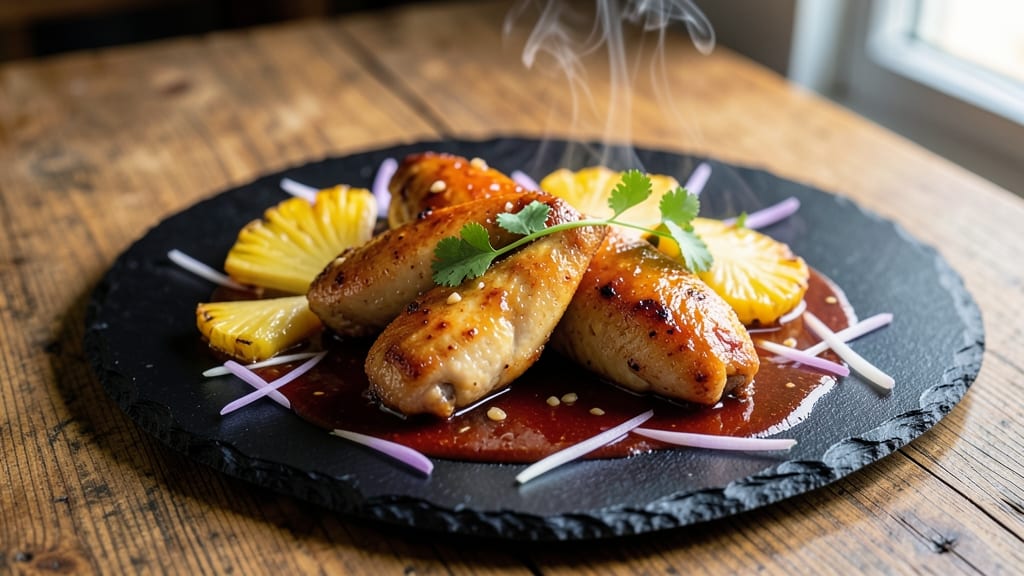
This Chinese pineapple chicken sauce transforms ordinary chicken into a sticky, sweet-spicy masterpiece that clings to every bite. 🔥 The perfect balance of tangy pineapple, savory soy sauce, and aromatic garlic-ginger creates a glaze that caramelizes beautifully when brushed over seared chicken or stir-fried bites.
I developed this sauce after years of experimenting with Chinese takeout flavors, and it's now my go-to for restaurant-quality results at home.
The secret lies in the sauce's dual nature—it works as both a marinade and a glaze, infusing the chicken with flavor while developing a glossy, caramelized crust when cooked. We'll use a simple cornstarch slurry to thicken it just enough to coat the chicken perfectly without becoming gummy.
This sauce elevates simple chicken thighs or breasts into something extraordinary, with a perfect harmony of sweet, spicy, and umami flavors.
What makes this sauce truly special is its versatility—it's just as delicious drizzled over crispy fried chicken as it is spooned over steamed rice or used as a dipping sauce for spring rolls.
The pineapple juice adds natural sweetness while tenderizing the chicken, while the chili paste brings the heat that makes this sauce so addictive. Once you taste this sauce, you'll never go back to store-bought versions.
The best part? This sauce comes together in just 20 minutes with simple pantry ingredients, making it perfect for weeknight dinners or meal prep. Let's create this flavor-packed sauce that will have everyone asking for seconds.
Ingredients for chinese pineapple chicken sauce
Nine simple ingredients transform into a sticky, sweet-spicy sauce that'll make your chicken unforgettable.
| Ingredient | Amount | Notes |
|---|---|---|
| Fresh Pineapple Juice 🍍 | ¾ cup | From ripe pineapple, not canned |
| Light Soy Sauce 🥢 | ½ cup | Kikkoman preferred for balance |
| Dark Soy Sauce 🥢 | ¼ cup | For deeper umami flavor |
| Garlic Cloves 🧄 | 6 cloves | Minced for aromatic punch |
| Fresh Ginger 🌿 | 2 tbsp | Grated, not powdered |
| Red Chili Paste 🌶️ | 2 tbsp | Maesri or Sriracha for heat |
| Cornstarch 🌾 | 1 tbsp | For perfect thickening |
| Brown Sugar 🍯 | ¼ cup | Light or dark preferred |
| White Vinegar 💧 | 1 tbsp | Balances sweetness |
| Sesame Oil 🫒 | 1 tbsp | Toasted for aroma |
The pineapple juice is non-negotiable—fresh is key (the canned stuff lacks that bright tang). Grab a ripe pineapple from Trader Joe's or Costco—their pre-cut versions work great too. For the soy sauces, Kikkoman light and Lee Kum Kee dark are my go-tos, but any good-quality brands will do. The garlic and ginger? Freshly minced makes all the difference—those pre-minced jars in the store are a flavor crime. Chili paste can be swapped for Sriracha or sambal oelek, but the authentic Maesri gives that perfect balance of heat and funk.
No pineapple juice? Fresh mango purée works in a pinch, but it changes the flavor profile slightly. Running short on dark soy sauce? Double the light soy and add 1 tsp molasses for depth. The cornstarch slurry is your secret weapon—mix it with 2 tbsp cold water before adding to the sauce. Diamond Crystal kosher salt is my go-to for seasoning, but any fine sea salt works. For extra richness, a splash of hoisin sauce (about 1 tbsp) can be added at the end. And if you're feeling adventurous, a pinch of white pepper adds a subtle kick that takes this sauce to the next level.
This sauce keeps beautifully—5 days in the fridge or 3 months frozen. I like to freeze it in ice cube trays for single-use portions, then transfer to a bag. The flavors actually improve after a day or two as everything melds together. For best results, let it come to room temperature before using as a glaze—it'll coat your chicken perfectly without making it soggy. And trust me, leftovers are rare—this sauce disappears fast!
Why You'll Love This Recipe
- Pantry Magic: I swear by this sauce—no specialty trips to the store. That pineapple juice? It’s the star, balancing the soy’s saltiness with natural sweetness, while the ginger and garlic hit like a warm hug in every bite. Honestly, I keep a jar of dark soy sauce on hand just for this.
- Sweet Heat Balance: The dark soy gives it that deep umami richness, but the pineapple cuts through it like sunshine. Between us, this isn’t just sweet—it’s got a crisp edge that makes it way more interesting than your average takeout copycat. My husband licks the plate.
- Weeknight Workhorse: I throw this together for stir-fries, rice bowls, or even as a dipping sauce for spring rolls. (Yes, even on a Tuesday night.) The sauce thickens beautifully when simmered, so it’s ready to go whether I’m serving it fresh or reheating leftovers.
- Budget-Friendly Upgrade: Fresh ginger and garlic might sound fancy, but they stretch this sauce far—I’ve made it last a full week in the fridge. Plus, the pineapple juice adds brightness without breaking the bank. Not the prettiest, but the taste makes up for it every time.
Step-by-step instructions for Chinese pineapple chicken sauce
This sweet-spicy glaze is where the magic happens—thick, sticky, and packed with flavor that clings to every bite.
🍳 Step 1: Sauté Aromatics Until Fragrant
Heat a small saucepan over medium heat and add the 1 tablespoon sesame oil. Once shimmering, add the 6 cloves minced garlic cloves and 2 tablespoons grated fresh ginger. Cook for 30-45 seconds until the garlic turns golden and the ginger becomes fragrant—don't let it brown or it'll turn bitter.
Here's the thing—this step builds the aromatic foundation. The garlic should smell like a garlic festival, and the ginger should release its warm, citrusy notes. If you're using fresh ginger, grate it just before cooking so it's as potent as possible. Stir constantly to prevent burning, and keep the heat at medium—too high and you'll lose those delicate flavors.
🍳 Step 2: Combine Wet Ingredients for the Base
Pour in the 0.75 cup fresh pineapple juice, 0.5 cup light soy sauce, and 0.25 cup dark soy sauce. Stir well to combine, then add the 2 tablespoons red chili paste and 0.25 cup brown sugar. Bring the mixture to a gentle simmer over medium-high heat, which should take about 3-4 minutes.
The sauce should bubble gently and start to reduce slightly. You'll notice the dark soy sauce deepening the color—this is your visual cue that the umami is developing. Taste after 2 minutes of simmering. If it's too sweet, add 1 tablespoon white vinegar to balance it out. This is where the sauce starts to transform from a simple mix into something complex and irresistible.
🥘 Step 3: Thicken the Sauce to Glazing Perfection
In a small bowl, whisk the 1 tablespoon cornstarch with 2 tablespoons water until smooth. Slowly pour this mixture into the simmering sauce while stirring constantly. The sauce will thicken dramatically within 1-2 minutes—keep stirring until it reaches a glossy, syrupy consistency that coats the back of a spoon.
This is the moment that matters: the sauce should coat the back of a spoon and leave a slight trail when you run your finger through it. If it's still too thin, add another ½ teaspoon cornstarch mixed with water. Don't rush this step—proper thickening ensures your sauce will stick to the chicken and caramelize beautifully. Once thickened, remove from heat immediately to prevent over-cooking.
⏰ Step 4: Rest and Adjust for Maximum Flavor
Let the sauce sit off the heat for 5 minutes. This resting period allows the flavors to meld and the sauce to thicken further. Taste again and adjust the seasoning—add more light soy sauce for saltiness, brown sugar for sweetness, or red chili paste for heat. The sauce should be perfectly balanced between sweet, spicy, and umami-rich.
Here's where it gets fun—give it a taste and imagine it drizzled over perfectly grilled chicken. The pineapple juice adds a bright tang, the soy sauces bring deep umami, and the chili paste gives it that signature kick. If you're using this sauce for immediate serving, you can skip the resting period, but if you can wait, the flavors will develop even more depth.
Pro Tips For Making Chinese Pineapple Chicken Sauce
- Simmer Slow and Low: That pineapple juice burns faster than you’d think—keep the heat at a gentle simmer (just bubbles breaking, not rolling) once everything’s combined. I learned this the hard way when my sauce turned bitter and syrupy instead of bright and balanced.
- Peel and Mince Ginger Like a Pro: Skip the grating—peel a 1-inch chunk of ginger, slice it thinly, then chop into tiny, even pieces with a knife. This way, it dissolves smoothly into the sauce instead of clumping or leaving fibrous bits behind.
- Balance the Soy Sauces First: Mix your light and dark soy sauces (start with 3:1 ratio) in a small bowl before adding to the pan. This ensures even color and flavor distribution—no patchy brown spots or under-seasoned pockets.
- Strain the Pineapple Juice: After blending or juicing pineapple, strain it through a fine-mesh sieve to remove pulp and seeds. Clear juice cooks down faster and gives the sauce a glossy finish—no slimy texture or uneven consistency.
Creative variations of these flavors
Sweet-Spicy Stir-Fry Sauce
Double the sauce recipe and use it as a stir-fry sauce for chicken, bell peppers, and snap peas. Toss everything in a wok or large skillet over high heat, then pour the sauce over the hot ingredients.
Stir-fry for 3-4 minutes until the chicken reaches 165°F and the sauce caramelizes into a glossy glaze. Serve immediately over jasmine rice for a complete meal. 🌶️
Grilled Pineapple Glaze
Reduce the sauce by half by simmering it uncovered for 10-12 minutes until syrupy. Brush this concentrated glaze over grilled chicken breasts or pineapple slices for a caramelized finish.
Grill the chicken for 6-8 minutes per side while basting with the sauce. The result is a sticky, sweet-spicy crust that's perfect for summer BBQs. 🍍
Spring Roll Dipping Sauce
Thin the sauce with 2 tablespoons water for a lighter consistency ideal for dipping. Add 1 teaspoon fish sauce and ½ teaspoon lime juice to enhance the umami and brightness.
Serve warm or at room temperature with crispy spring rolls or dumplings. This version balances sweetness with tangy acidity for the perfect dip. 🥟
Slow-Cooked BBQ Sauce
Simmer the sauce for 30-40 minutes until it reaches a thick, molasses-like consistency. Use it as a marinade for pulled chicken, then slow-cook the chicken in the sauce for 3-4 hours at 275°F.
The result is tender, fall-apart chicken with a deep, caramelized crust. Serve on buns or over fries for a fusion BBQ twist. 🍖
Coconut Pineapple Fusion
Replace ½ cup of the pineapple juice with ½ cup coconut milk for a tropical twist. Add 1 teaspoon grated lime zest to brighten the flavors.
Use this sauce to glaze chicken skewers or drizzle over curry dishes. The coconut adds creamy richness that pairs beautifully with the pineapple's tang. 🥥
Spicy Pineapple Marinade
Use the full sauce recipe as a marinade for chicken thighs or drumsticks. Marinate for 4-6 hours or overnight in the fridge. Grill or bake the chicken until fully cooked, then brush with extra sauce during the last 2 minutes of cooking.
The marinade infuses the meat with deep flavor while creating a sticky, caramelized exterior. 🍗
Nutrition facts
Frequently asked questions
Can I use canned pineapple juice instead of fresh?
Fresh pineapple juice gives the best bright, tangy flavor, but you can use canned pineapple juice in a pinch. Just reduce the amount by 20% (use 0.6 cup instead of 0.75 cup) since canned juice is often more concentrated. For extra depth, add ½ teaspoon lime juice to compensate for the difference in acidity.
How do I adjust the heat level in this sauce?
The chili paste provides the heat, so you can easily control the spice level. For mild heat, reduce to 1 tablespoon chili paste. For medium heat, use the full 2 tablespoons as written. For extra spicy, add ½ teaspoon cayenne pepper or an extra 1 tablespoon chili paste. Always taste as you go!
Can I make this sauce without cornstarch?
Yes, but the texture will be thinner. For a naturally thickened version, simmer the sauce uncovered for 10-15 extra minutes to reduce it. Alternatively, use 1 tablespoon arrowroot powder or ½ teaspoon xanthan gum mixed with water instead of cornstarch. The sauce will still cling to chicken but may be slightly less glossy.
How long will this sauce keep in the fridge?
This sauce stays fresh in an airtight container in the fridge for up to 5 days. The flavors actually improve slightly as they meld together. For longer storage, freeze it in ice cube trays (for single-use portions) or a freezer bag for up to 3 months. Thaw overnight in the fridge before using.
What's the best way to use leftover sauce?
Leftover sauce is incredibly versatile! Use it as a marinade for 4-6 hours before grilling, drizzle over fried rice or noodles, or thin it with water for a quick stir-fry sauce. It also makes an amazing dipping sauce for spring rolls or egg rolls. The sauce keeps well, so don't hesitate to make extra!