
Main Courses
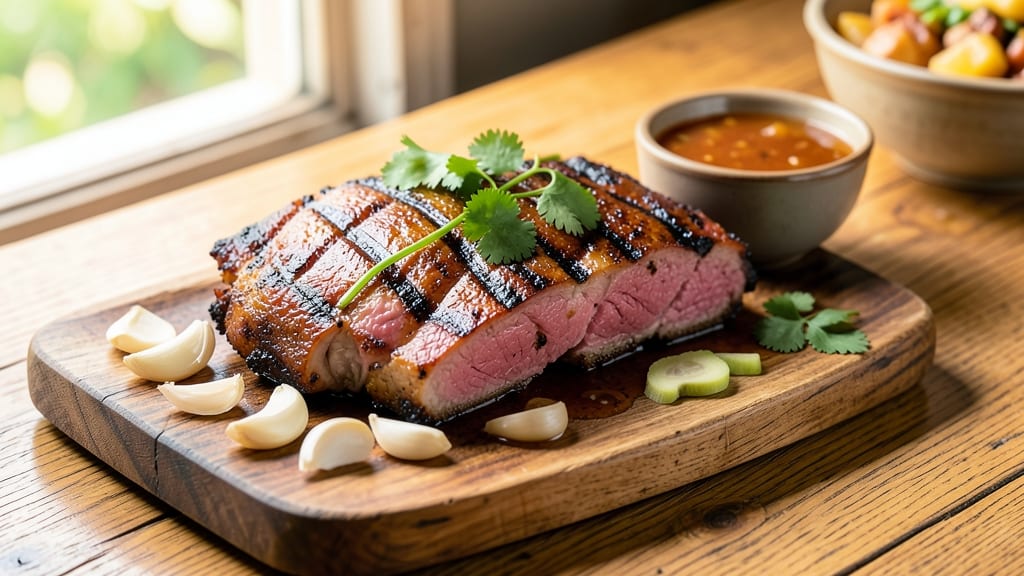
This Filipino pork barbecue recipe with pineapple juice delivers restaurant-quality flavor in one pan—juicy, caramelized pork with a tangy-sweet glaze that's impossible to resist. 🔥 The secret lies in marinating pork shoulder overnight in a blend of soy sauce, vinegar, and pineapple juice, then roasting it until tender with crispy edges.
I developed this recipe after years of perfecting lechon kawali at local carinderias, where the magic happens in balancing sweet, sour, and umami notes.
The marinade transforms tough pork into melt-in-your-mouth perfection while creating that signature caramelized glaze. What makes this recipe special is the simplicity: just six main ingredients, 30 minutes of active prep (plus overnight marinating), and 2 hours of hands-off roasting.
The pineapple juice tenderizes the meat while adding natural sweetness that pairs beautifully with the savory soy and vinegar. This dish is the heart of Filipino gatherings, where family and friends gather around the table for a meal that's equal parts comforting and celebratory.
By the time you're done, you'll have perfectly caramelized pork with a glossy, sticky glaze that's both sweet and tangy—a balance that makes every bite irresistible. The pork stays juicy on the inside while developing a crispy, golden crust on the outside, all thanks to the high-heat roasting technique.
Serve it with steamed rice to soak up every last drop of that delicious sauce, or pair it with atchara (pickled papaya) for a classic Filipino flavor combination.
This recipe works beautifully for both weeknight dinners and special occasions, scaling easily for crowds. The leftovers reheat wonderfully, making it perfect for meal prep or feeding a hungry family.
Whether you're cooking for a celebration or simply craving a taste of the Philippines, this one-pan wonder delivers authentic flavor without the fuss. Ready to master this tangy-sweet grill masterpiece?
Ingredients for filipino pork barbecue recipe with pineapple juice
Six core ingredients transform tough pork into melt-in-your-mouth perfection with tangy-sweet caramelized glaze.
| Ingredient | Amount | Notes |
|---|---|---|
| Pork Shoulder 🥩 | 2 lb | Bone-in, cut into 2-inch chunks |
| Pineapple Juice 🍍 | 1 cup | Freshly squeezed preferred |
| Soy Sauce 🥢 | ½ cup | High-quality, preferably Filipino brand |
| White Vinegar 🍶 | ¼ cup | White or cane vinegar |
| Garlic Cloves 🧄 | 6 cloves | Minced finely for marinade |
| Fresh Ginger 🌿 | 2 tbsp | Finely grated, fresh preferred |
| Brown Sugar 🍚 | ½ cup | Packed, light or dark |
| Olive Oil 🫒 | 2 tbsp | For roasting pan |
| Salt 🧂 | 1 ½ tsp | Diamond Crystal kosher salt |
| Black Pepper 🌶️ | 1 tsp | Freshly ground preferred |
| Bay Leaves 🌿 | 2 whole | For aromatic depth |
| Green Onions 🧅 | 4 whole | Sliced, for garnish |
The pork shoulder is non-negotiable—bone-in stays juicier than boneless cuts. Look for well-marbled pork at your local butcher or Filipino grocery store for authentic flavor. If you can't find bone-in, substitute with pork butt (shoulder blade). The pineapple juice should be freshly squeezed for maximum brightness—canned juice loses its tang. For soy sauce, Silver Swan or Datu Puti brands elevate the dish authentically, but any high-quality soy works. The ginger needs to be freshly grated for that zesty kick—pre-grated loses potency fast.
No fresh pineapple juice? Coconut water with extra lime juice mimics the acidity. Short on soy sauce? Coconut aminos at half the amount works in a pinch. The brown sugar can be swapped for white sugar plus 1 tsp molasses for depth. Vinegar substitutes? Lime or lemon juice at the same quantity. For garlic lovers, double the amount—but traditional recipes keep it balanced. The green onions are optional but add that fresh pop of color at the end.
Marinate the pork overnight in the fridge for maximum tenderness. The glaze develops best when roasted at 400°F for 2 hours, basting every 30 minutes. Leftovers keep for 5 days in the fridge or 3 months frozen. Reheat gently in a skillet with a splash of water to restore moisture. This dish reheats beautifully, making it perfect for meal prep—just store the sauce separately if you want to glaze fresh.
Why You'll Love This Recipe
- One-Pot Magic: I swear by this recipe because it’s literally one pot—pork shoulder simmers right in the pineapple juice until it falls apart. No extra pans, no fuss, just that rich, sticky glaze clinging to every bite.
- Sweet-Savory Balance: That tangy mix of soy, vinegar, and pineapple juice? It’s the kind of flavor that hits different—garlicky, slightly sweet, with just enough bite to keep things interesting. My kids fight over the last piece.
- Leftovers That Shine: This dish actually improves the second day. The pork gets even more tender, and I repurpose it into rice bowls, sandwiches, or quick stir-fries. No sad, dry leftovers here—just pure convenience.
- Budget-Friendly Feast: Pork shoulder is cheap, and this recipe stretches it into a meal that feeds four for under $15. Plus, the pineapple juice adds brightness without breaking the bank—just don’t skip the garlic, or it’ll taste flat.
Step-by-step instructions for Filipino pork barbecue with pineapple juice
Master this one-pan technique for perfectly tender, caramelized pork with a signature tangy-sweet glaze.
🍳 Step 1: Marinate the Pork for Maximum Flavor
In a large bowl, combine the 1 cup pineapple juice, 0.5 cup soy sauce, 0.25 cup white vinegar, 0.5 cup brown sugar, 2 tbsp fresh ginger, 6 cloves garlic cloves, 1.5 tsp salt, and 1 tsp black pepper. Whisk until the sugar dissolves completely and the marinade becomes syrupy.
Add the 2 lb pork shoulder cut into 2-inch chunks and the 2 whole bay leaves to the marinade. Using clean hands, coat the pork thoroughly, ensuring every piece is saturated. Cover and refrigerate for at least 4 hours (overnight is ideal). This extended marinating time breaks down the tough fibers and infuses the meat with deep, complex flavors.
🔥 Step 2: Sear the Pork for Rich Color and Texture
Preheat your oven to 375°F. Remove the pork from the marinade (reserve the marinade) and pat dry with paper towels. Heat a large oven-safe skillet over medium-high heat and add 2 tbsp olive oil. Once hot, add the pork in a single layer and sear for 3-4 minutes per side until deeply golden brown.
Don't overcrowd the pan—work in batches if needed. The goal is to develop a caramelized crust that locks in juices during roasting. Once seared, transfer the pork to a plate and return the skillet to the stove.
🥘 Step 3: Deglaze and Simmer the Glaze
Pour the reserved marinade into the hot skillet, scraping up any browned bits from the bottom with a wooden spoon. Bring to a simmer over medium heat and cook for 5-7 minutes until the liquid reduces by half and thickens slightly. The glaze should coat the back of a spoon and develop a rich, aromatic fragrance.
Return the seared pork to the skillet, spooning the glaze over the top. The pork should be mostly submerged in the sauce. Transfer the skillet to the preheated oven and roast for 1 hour 15 minutes until the pork is fork-tender and the internal temperature reaches 195°F (use a meat thermometer for accuracy).
⏰ Step 4: Rest and Caramelize to Perfection
Remove the pork from the oven and let it rest for 10 minutes in the skillet. This resting period allows the juices to redistribute throughout the meat. Then, increase the oven temperature to 425°F and return the skillet to the oven for 10-15 minutes to caramelize the glaze and create a glossy finish.
Watch closely during this final step—the glaze should thicken and darken to a deep amber color. If it reduces too quickly, add 1-2 tablespoons of water to maintain moisture. The pork should be sticky and glossy, with a beautiful caramelized crust.
🍽️ Step 5: Garnish and Serve
Carefully transfer the pork to a serving platter and discard the bay leaves. Spoon the caramelized glaze over the top and garnish with 4 whole green onions, sliced thinly on the bias. Serve immediately with steamed rice to soak up the delicious sauce.
Each bite should deliver perfectly tender pork with a balance of sweet, tangy, and savory flavors. The glaze should cling beautifully to the meat, offering a perfect harmony of textures and tastes that define authentic Filipino barbecue.
Pro Tips For Making Filipino Pork Barbecue Recipe With Pineapple Juice
- Marinate Overnight: I learned this the hard way—rushing the marinade means the pork stays bland and tough. Toss the shoulder with pineapple juice, soy sauce, vinegar, and minced garlic at least 8 hours ahead (24 hours is better). The acid and salt need time to break down the meat fibers, not just sit on top.
- Simmer Slow and Low: After burning three batches, I finally figured out: the sauce needs patience. Once the pork hits 160°F (probe it!), reduce heat to a gentle simmer and let it cook uncovered for 20-30 minutes. This thickens the sauce naturally without scorching—no need to rush or stir constantly.
- Strain the Pineapple: Sounds weird, but it works: skip the pulp. Straining the pineapple juice removes bitterness and keeps the sauce smooth. I used to blend frozen chunks, but fresh juice strained through cheesecloth makes a cleaner, brighter base—no gummy bits left in your saucepan.
- Deglaze with Vinegar First: My grandmother swore by this, and she was right: after searing the pork, hit the pan with a splash of white vinegar before adding the pineapple juice. It cuts through the browned bits instantly, lifting flavors instead of scraping them off. (Yes, even if you’re impatient like me.)
Make-ahead tips for this dish
Marinade Prep Ahead
Make the marinade up to 3 days in advance and store it in an airtight container in the fridge. I like to prep mine the night before so it's ready to go—just add the pork in the morning.
The flavors deepen as the marinade sits, especially the pineapple juice and vinegar, which develop a more complex tang. Keep the marinade covered to prevent oxidation, and give it a quick whisk before using to redistribute any settled spices. 🌟
Pork Prep Timeline
Cut the pork into 2-inch chunks and marinate for at least 4 hours, but overnight is ideal for maximum tenderness. I often do this on Sunday night for a Monday dinner—just pop it in the fridge while you're unwinding.
The longer it marinates, the more the acid in the pineapple juice and vinegar breaks down the meat fibers, resulting in melt-in-your-mouth texture. Don't skip this step, even if you're short on time—it makes all the difference. ⏰
Glaze Reduction Shortcut
Reduce the marinade to a glaze ahead of time and store it separately in a small jar. I do this when I know I'll be busy later—just heat the reserved marinade in a saucepan over medium heat for 10-15 minutes, stirring occasionally, until it thickens to a syrupy consistency.
Let it cool completely before storing in the fridge for up to 5 days. When ready to cook, simply pour it over the seared pork and proceed with the roasting step. 💡
Freezer-Friendly Pork
You can prep the marinated pork chunks up to 2 months ahead and freeze them in a single layer on a tray before transferring to a freezer bag. This is perfect for meal prep—just thaw overnight in the fridge before cooking.
The marinade will keep the pork moist and prevent freezer burn. When you're ready to cook, sear the thawed pork as directed and proceed with the glaze reduction. The texture stays just as tender as fresh pork. ❄️
Sauce Separation Fix
If you notice the marinade separating in the fridge (especially with the brown sugar), just give it a good stir before using. The sugar can crystallize slightly, but it dissolves easily when reheated.
For extra insurance, gently warm the marinade in a saucepan over low heat for 2-3 minutes to fully integrate all the ingredients. This also helps balance the flavors if you've stored it for a few days. 🔥
Leftovers Strategy
Store leftover pork and sauce separately in airtight containers. Reheat the pork in a skillet over medium heat with a splash of water or broth to restore moisture, then spoon the reheated glaze over the top. This keeps the pork juicy and the sauce glossy.
Leftovers keep well for 5 days in the fridge or 3 months frozen. I often use them for quick lunches or pack them for work—just add some rice to make it a full meal. 💪
Nutrition facts
Frequently asked questions about Filipino pork barbecue
Can I substitute pineapple juice with another fruit juice?
Yes, but the flavor will change. For tangy-sweet balance, try orange juice (more citrusy) or coconut water (lighter taste). Avoid apple juice—it lacks the acidity needed to tenderize the pork. If using substitutes, add 1 extra tablespoon of vinegar to maintain the marinade's effectiveness.
Why does my pork turn out dry when roasted?
Overcooking is the most common cause. Use a meat thermometer and remove pork when it hits 195°F—it will continue cooking as it rests. Also, avoid high heat during roasting. The 375°F temperature in this recipe ensures slow, even cooking that keeps the meat juicy while developing flavor.
How do I make this recipe for a crowd?
Double the marinade ingredients and use 4-5 lb pork shoulder. Cook in batches—sear half first, then reduce the marinade, roast, and repeat with the second batch. Use two large roasting pans or a sheet pan. For serving, arrange pork on a platter with the glaze spooned over the top, then garnish with extra green onions.
Can I grill this instead of oven-roasting?
Follow the same marinating and searing steps, then transfer pork to a grill over medium heat. Baste frequently with the reduced marinade for 45-60 minutes, turning occasionally. Finish with 5 minutes over direct heat to char the edges. The smoky flavor pairs beautifully with the tangy-sweet glaze.
What's the best way to reheat leftovers?
Reheat pork in a skillet over low heat with 1-2 tablespoons of water or broth to restore moisture. Cover and cook for 3-5 minutes, then spoon the reheated glaze over the top. Avoid microwaving—it dries out the meat. For extra crispiness, broil for 2 minutes at the end.