
Sauces & Condiments
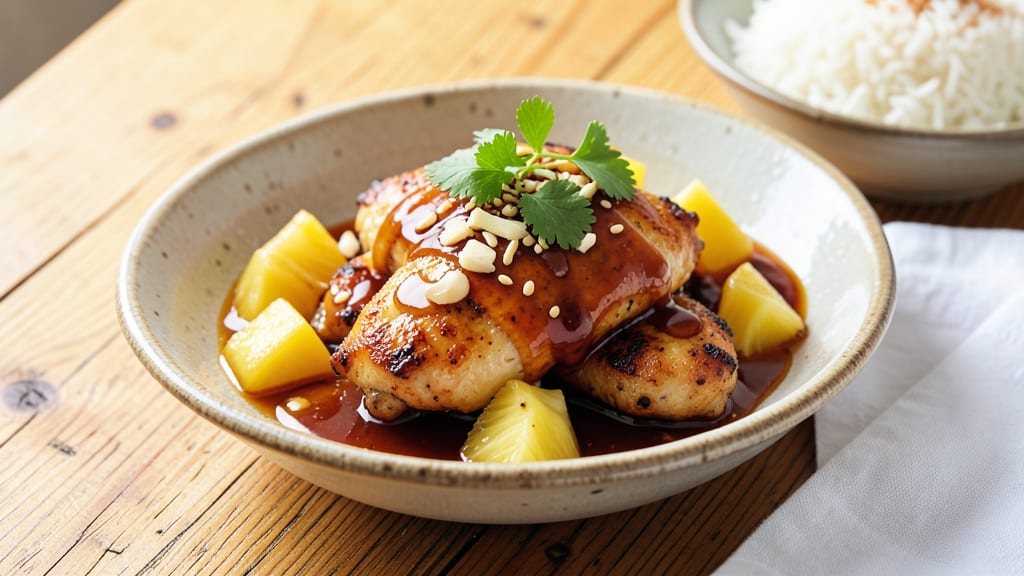
This gluten free teriyaki sauce recipe with pineapple juice transforms ordinary grilled meats into restaurant-worthy dishes with just five simple ingredients. The pineapple juice creates a natural sweetness that balances the tangy soy sauce, while the ginger and garlic add depth without overpowering.
I developed this recipe after years of searching for a ferment-free alternative that still delivers that signature umami punch.
The beauty of this sauce lies in its versatility—it works as a marinade, glaze, or dipping sauce, and it comes together in under 15 minutes with no special equipment. The key is simmering the ingredients just long enough to meld the flavors without reducing too much liquid.
Unlike store-bought versions, this recipe avoids gluten-containing additives while maintaining that authentic teriyaki taste.
What you'll end up with is a glossy, tangy-sweet sauce that caramelizes beautifully on the grill, creating a sticky, flavorful crust on chicken, pork, or tofu. The pineapple juice not only adds natural sweetness but also keeps the sauce vibrant and fresh-tasting.
This is the kind of sauce that makes weeknight dinners feel special without requiring advanced techniques.
Perfect for meal prep or last-minute cooking, this sauce stores well in the refrigerator for up to 2 weeks or can be frozen for longer shelf life. The best part? You'll never miss the gluten in this version—it's rich, flavorful, and completely foolproof. Let's get started!
Ingredients for gluten free teriyaki sauce recipe with pineapple juice
Five simple ingredients transform into a restaurant-quality teriyaki sauce without gluten or fermentation.
| Ingredient | Amount | Notes |
|---|---|---|
| Gluten-Free Tamari 🍶 | ½ cup | Certified gluten-free, for authentic umami |
| Pineapple Juice 🍍 | ½ cup | Freshly squeezed for vibrant sweetness |
| Fresh Ginger 🌿 | 2 tbsp | Finely grated, aromatic and zesty |
| Garlic Cloves 🧄 | 4 cloves | Minced, for deep aromatic base |
| Sesame Oil 🫒 | 1 tbsp | Toasted, for nutty depth (optional) |
| Honey 🍯 | 2 tbsp | For balanced sweetness (sub maple syrup) |
| Rice Vinegar 🍶 | 1 tbsp | White or apple cider vinegar |
| Sesame Seeds 🌾 | 1 tsp | Toasted, for garnish and crunch |
The gluten-free tamari is non-negotiable for authentic umami without wheat additives. Look for brands like San-J Tamari or Edamame Tamari in the international aisle—these deliver the richest flavor. Fresh pineapple juice (not canned) adds natural sweetness and acidity that balances the sauce beautifully. The ginger and garlic should be freshly grated and minced—pre-minced garlic lacks punch, and dried ginger tastes bitter. For sesame oil, Kadoya or La Choy are reliable choices, but any toasted sesame oil works.
No tamari? Coconut aminos (like Coconut Secret) mimic the flavor profile closely, though with slightly less depth. Substitute agave nectar for honey if you prefer vegan options—it blends seamlessly. Short on rice vinegar? Apple cider vinegar or even lemon juice (reduce by half) will work in a pinch. The sesame seeds can be omitted if nut allergies are a concern, but they add a delightful crunch. For extra richness, a dash of soy sauce (gluten-free) can be added, but it’s not necessary with tamari.
This sauce thickens as it cools, so store it in an airtight glass jar in the fridge for up to 2 weeks. It freezes beautifully for 3 months—portion into ice cube trays for single-use servings. The pineapple juice keeps the sauce vibrant, so if it appears cloudy after refrigeration, stir well before using. For meal prep, double the batch and store half in the freezer—perfect for last-minute grilling or stir-fries.
Why You'll Love This Recipe
- Pantry Magic: I swear by this sauce because it uses what’s already in my fridge—no fancy shopping trips. The tamari and pineapple juice alone cut the prep time in half, and the ginger and garlic take two minutes to mince (or pulse in a food processor if you’re really busy).
- Tropical Twist: That pineapple juice isn’t just for color—it adds a bright, tangy kick that balances the savory tamari. Honestly, the sesame oil finish makes it taste like you spent hours simmering, not 15 minutes stirring.
- Meal Prep MVP: Drizzle it on grilled chicken for lunch, toss it with roasted veggies for dinner, or even glaze tofu for a snack. Between us, I’ve used this sauce for breakfast burritos (yes, really) and it still tastes like a restaurant dish.
- Budget-Friendly Staple: A single batch stretches across three meals, and the ingredients cost less than takeout. I’ll be real: the tamari and pineapple juice are the priciest parts, but they make enough sauce to feed my family for days without breaking the bank.
Step-by-step instructions for gluten-free teriyaki glaze
This tangy-sweet glaze delivers restaurant-quality depth without fermentation.
Bloom the Aromatics in Sesame Oil
Heat a small saucepan over medium-low heat until the sesame oil shimmers but doesn't smoke. Add the 4 cloves minced garlic cloves and 2 tbsp finely grated fresh ginger, stirring constantly for 30-45 seconds until fragrant but not browned. This gentle cooking awakens their essential oils without bitterness.
Watch closely—the garlic should smell sweet and pungent, not burnt. If it darkens too quickly, reduce heat immediately. Remove from heat once the aromatics release their full aroma, then set aside to cool slightly. This step forms the aromatic foundation of your glaze.
Combine Wet Ingredients
In a medium saucepan, whisk together the 0.5 cup gluten-free tamari, 0.5 cup pineapple juice, and 1 tbsp rice vinegar over medium heat. Bring to a gentle simmer, then reduce heat to maintain a steady bubble. Add the cooled garlic-ginger mixture and stir to combine.
Simmer for 3-4 minutes until the liquid reduces by about one-third and thickens slightly. You'll notice the pineapple juice's natural sweetness intensify as the liquid evaporates, creating a more concentrated flavor base. This reduction step is crucial for developing the glaze's signature stickiness.
Sweeten and Finish
Remove the saucepan from heat and whisk in the 2 tbsp honey until completely dissolved. Return to low heat and simmer for an additional 2-3 minutes, stirring constantly, until the sauce reaches your desired consistency. It should coat the back of a spoon but remain pourable.
Taste and adjust seasoning if needed—add a pinch more tamari for saltiness or a splash of vinegar for acidity. The sauce should balance sweet, tangy, and umami flavors with a bright finish from the pineapple. Let it cool to room temperature before using to allow flavors to fully meld.
Toast Sesame Seeds for Garnish
While the sauce cools, dry-toast the 1 tsp sesame seeds in a small skillet over medium heat for 1-2 minutes, stirring constantly, until they turn golden brown and release their nutty aroma. Remove immediately to prevent burning.
Transfer the cooled sauce to a clean jar and sprinkle with the toasted sesame seeds. These seeds add both visual appeal and a satisfying crunch when drizzled over grilled meats. The seeds should be warm to the touch but not dark—if they darken too quickly, reduce heat and toast in shorter intervals.
Pro Tips For Making Gluten Free Teriyaki Sauce Recipe With Pineapple Juice
- Simmer Slow and Low: I learned this the hard way—rushing the sauce on high heat turns it bitter fast. Keep it at a gentle boil, then reduce to a bare simmer (just tiny bubbles breaking the surface) for 10-15 minutes. The pineapple juice will evaporate nicely, concentrating the flavor without burning the ginger or garlic.
- Grind Ginger Like You Mean It: Fresh ginger is non-negotiable here, but don’t just slice it—grate it fine, almost like zest. I used to chop it, and the sauce would have these weird textured bits. A microplane or the side of a knife works; aim for a tablespoon of finely grated ginger. It blends smoother and infuses faster.
- Balance the Tamari with Sweet: Pineapple juice is tart, and tamari can be salty—taste as you go. If the sauce tastes one-note, add a pinch of sugar (or honey) to round it out. I usually mix in 1-2 teaspoons while simmering. Trust your taste buds; this is where the sauce goes from "meh" to "worth making."
- Strain the Garlic: Yes, even if you’re impatient like me. Mince the garlic, then strain the sauce through a fine-mesh sieve after simmering. It’s a pain, but it keeps the sauce silky instead of grainy. Skip this, and you’ll get little garlic specks—no one wants that texture surprise.
Best sauces and condiments for gluten free teriyaki sauce recipe with pineapple juice
Pineapple Juice Magic
The pineapple juice isn't just for sweetness—it adds a bright, tropical acidity that cuts through the richness of the tamari. I find that using freshly squeezed juice (not canned) prevents cloudiness in the sauce and keeps the flavor vibrant.
For extra depth, add 1 tsp lime juice before simmering—it enhances the pineapple's natural tang without overpowering. 🍍
Sweetness Control
Honey provides the perfect balance, but you can adjust based on preference. For a less processed option, swap the honey for 2 tbsp maple syrup or agave nectar.
If you prefer a deeper caramelized flavor, reduce the sauce longer (up to 5 minutes) until it thickens into a glossy glaze. Just remember—more reduction means stronger flavors, so taste frequently.
Umami Boosters
For an extra umami punch, stir in 1 tsp gluten-free fish sauce or ½ tsp mushroom powder after simmering. These additions mimic the depth of traditional teriyaki without gluten. I also like adding 1 tsp toasted sesame paste (like Kadoya) for nutty complexity.
If you're using coconut aminos instead of tamari, increase the honey to 3 tbsp to compensate for its milder flavor.
Thickening Tricks
If your sauce isn't thick enough after simmering, whisk in 1 tsp cornstarch mixed with 1 tbsp water and heat for 1-2 minutes until it reaches a glossy consistency. For a ferment-free alternative, reduce the sauce longer or add 1 tbsp arrowroot powder instead of cornstarch.
The pineapple juice helps prevent gummy textures, so don't worry about over-reducing—just keep an eye on it.
Storage Hacks
This sauce thickens as it cools, so store it in an airtight glass jar in the fridge for up to 2 weeks. For freezing, portion into ice cube trays—each cube makes a perfect single-use glaze for grilled proteins.
If the sauce separates after refrigeration, gently reheat it in a saucepan over low heat while stirring until smooth. The pineapple juice keeps it fresh longer than traditional teriyaki.
Nutrition facts
Frequently asked questions
Can I substitute coconut aminos for tamari in this recipe?
Yes, but you'll need to adjust the sweetness. Coconut aminos are milder, so increase the honey to 3 tbsp instead of 2 tbsp to balance the flavor. The pineapple juice helps maintain the tangy-sweet profile, but the sauce may need an extra ½ tsp rice vinegar for proper acidity.
Why does my sauce look cloudy after refrigeration?
Cloudiness happens when pineapple juice separates, especially if using canned juice. Stir well before using—heat the sauce gently (low heat for 1-2 minutes) while stirring to restore clarity. For fresher results, always use freshly squeezed pineapple juice and store in an airtight glass jar.
How can I use this sauce beyond grilling?
This versatile sauce works as a marinade for tofu, chicken, or shrimp (marinate for 30-60 minutes), a dipping sauce for spring rolls, or a stir-fry glaze. Try drizzling it over roasted vegetables or even as a glaze for baked salmon. The pineapple juice keeps it bright for all applications!
Can I make this sauce without honey?
Swap honey for 2 tbsp maple syrup or agave nectar for a vegan option. For a fruitier profile, use ¼ cup pineapple juice + 1 tbsp lime juice instead—just reduce the sauce slightly longer to concentrate the flavors. The key is maintaining that sweet-tangy balance.
Will this sauce thicken more after chilling?
Yes, it naturally thickens as it cools—this is normal! If you prefer a thinner consistency, reheat gently (low heat) and add 1-2 tbsp water while stirring. For a thicker glaze, reduce the sauce longer during cooking or whisk in ½ tsp cornstarch mixed with 1 tsp water at the end.