
Main Courses
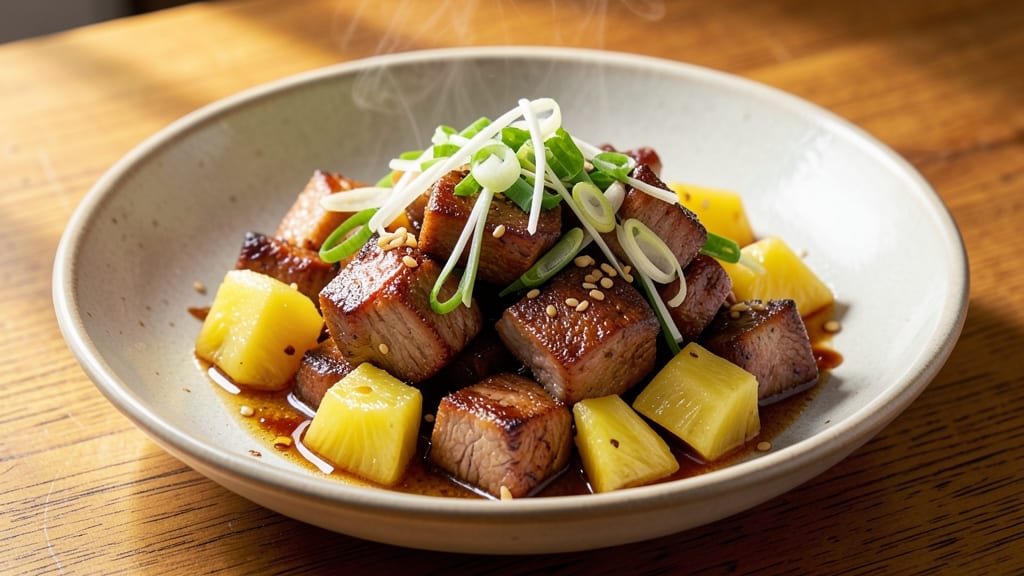
Transforming leftover pork and pineapple into this sweet-savory stir-fry feels like culinary alchemy—turning scraps into a restaurant-worthy meal with minimal effort. The trick lies in balancing the natural sweetness of the pineapple with bold, savory flavors like soy sauce and ginger, creating a dish that’s both efficient and deeply satisfying.
I’ve perfected this method after years of testing how to elevate leftovers without sacrificing depth of flavor, and it’s become a go-to for busy weeknights when I’m stretching ingredients just right.
This recipe builds on the classic harmony of pork and pineapple, but with a professional twist: a quick stir-fry that delivers crisp-tender pork, caramelized pineapple chunks, and a glossy sauce packed with umami and brightness. The process is straightforward—just slice, sear, and toss—but the result is anything but basic.
I rely on high heat to develop those caramelized edges on the pork while keeping the pineapple juicy, and a splash of rice vinegar cuts through the richness for balance. It’s the kind of dish that proves leftovers can be just as exciting as a fresh start.
What you’ll end up with is a vibrant, aromatic stir-fry that’s ready in under 20 minutes, perfect for serving over steamed rice or noodles.
The sauce clings to every bite, offering a perfect marriage of sweet, salty, and tangy notes, while the texture contrast between the crisp pork and tender pineapple keeps each mouthful dynamic.
This isn’t just about using up what’s left in your fridge—it’s about creating a meal that feels intentional, flavorful, and worth the effort.
For extra versatility, swap in bell peppers or snap peas for added crunch, or drizzle with sesame seeds for a finishing touch. The beauty of this recipe is its adaptability—it’s hearty enough for a main course but light enough for a side dish. Let’s turn those leftovers into something extraordinary.
Ingredients for leftover pork and pineapple
Pantry staples meet leftover magic—just 13 ingredients transform scraps into restaurant-worthy stir-fry.
| Ingredient | Amount | Notes |
|---|---|---|
| Leftover Pork 🍖 | 1 ½ lb | Diced into 1/2-inch pieces |
| Fresh Pineapple 🍍 | 1 cup | Cubed, fresh or canned (drained) |
| Green Onions 🧅 | ½ cup | Sliced, white and green parts |
| Fresh Ginger 🌿 | 1 tbsp | Grated, fresh preferred |
| Garlic Cloves 🧄 | 3 cloves | Minced, fresh preferred |
| Soy Sauce 🍶 | ½ cup | Low-sodium preferred |
| Rice Vinegar 🍶 | 2 tbsp | Seasoned preferred |
| Sesame Oil 🫒 | 1 tbsp | Toasted, for aroma |
| Brown Sugar 🍚 | 2 tbsp | Light or dark |
| Vegetable Oil 🫒 | 2 tbsp | High smoke point |
| Salt 🧂 | 1 tsp | Kosher or sea salt |
| Black Pepper 🌶️ | ½ tsp | Freshly ground |
| Steamed White Rice 🍚 | 2 cups | Cooked, for serving |
The pork is the star, so dice it evenly—smaller pieces get crispy faster. I usually grab pre-cooked pork shoulder from the deli section at Trader Joe's when I need leftovers, but any cooked pork works. Fresh pineapple is ideal (the vibrant kind with no browning), but canned pineapple in juice is a solid backup—just drain it well. Green onions add freshness, but if you're out, a pinch of onion powder works in a pinch. The ginger and garlic? Fresh is non-negotiable here—they make all the difference in flavor depth. Grab them from the produce section, not the jarred blends.
No soy sauce? Coconut aminos or even a mix of hoisin sauce and a pinch of salt gets you close. Running low on rice vinegar? Apple cider vinegar at half the amount keeps the tang. Sesame oil is optional but worth it—Kikkoman is my go-to brand, and a little goes a long way. Want to stretch this further? Toss in frozen bell peppers or snap peas—they add crunch without extra prep. The brown sugar can be swapped for maple syrup or agave if you're avoiding refined sugar, but keep it to the same amount. And if you're feeling fancy, a sprinkle of toasted sesame seeds at the end adds texture.
This stir-fry reheats beautifully—just toss it in a hot pan with a splash of water for 2-3 minutes. Keeps for 3-4 days in the fridge, or 3 months frozen in airtight containers. I like to portion mine into small glass containers so it’s ready to grab for quick lunches. The rice? Cook a big batch on Sunday and store it in the fridge—it’s the perfect base for this dish. Leftovers taste even better the next day as the flavors meld together.
Why You'll Love This Recipe
- No-Waste Magic: I swear by this trick—leftover pork isn’t just scraps, it’s the star. That sweet-tart pineapple cuts through any dryness, while the ginger and garlic add this just-right kick. It’s the kind of dish that makes me feel clever for turning yesterday’s dinner into today’s hero.
- One-Pan Brilliance: Honestly, this is my "I can’t be bothered but still want flavor" go-to. Toss everything—pork, pineapple chunks, minced garlic, and a thumb of ginger—into one pan with a splash of soy sauce. Ten minutes later, you’ve got dinner without washing three pots.
- Crowd-Pleaser Flex: This works for picnics, potlucks, or lazy Sundays—just adjust the heat. Serve it over rice for a full meal, stuff it in wraps for a grab-and-go lunch, or even toss it into a salad when you’re feeling fancy. My college roommate still asks for it years later.
- Budget Rescue: Between us, this recipe saved my grocery budget last month. Pineapple’s cheap when it’s in season, and you’re using up pork that might’ve gone to waste. Plus, the leftovers? Just as good reheated—if you can resist eating it straight from the pan.
Step-by-step instructions for leftover pork and pineapple stir-fry
Turn boring leftovers into a vibrant, flavor-packed meal with this easy stir-fry method.
Prep All Ingredients for Quick Cooking
Start by dicing the 1.5 lb leftover pork into ½-inch pieces if it's not already cut. Cube the 1 cup fresh pineapple into ½-inch chunks—smaller pieces cook faster and absorb flavors better. Slice the ½ cup green onions into 1-inch pieces, separating the white and green parts if you prefer different textures.
In a small bowl, mix together the 1 tbsp grated fresh ginger, 3 minced garlic cloves, 2 tbsp brown sugar, 1 tsp salt, and ½ tsp black pepper. This marinade will infuse the pork with bright, sweet-savory flavors. If your pork is particularly dry, let it sit in the marinade for 10 minutes while you prep everything else.
Stir-Fry the Pork Until Fully Cooked
Heat a large skillet or wok over medium-high heat until it's hot. Add the 2 tbsp vegetable oil and swirl to coat the bottom evenly. Add the marinated pork and cook for 4-5 minutes, stirring occasionally, until the pieces are fully heated through and slightly caramelized. If the pork releases easily from the pan, it's ready—don't overcrowd the pan or it'll steam instead of sear.
Remove the pork from the skillet and set it aside on a plate. You want to keep the pork warm while you build the rest of the stir-fry, but not let it sit too long or it'll dry out. This step is where the magic happens—those caramelized edges add depth to the final dish.
Build the Sweet-Savory Sauce
In the same skillet, reduce the heat to medium and add the ½ cup sliced green onions, cooking for 1 minute until the whites soften slightly. Pour in the ½ cup soy sauce and 2 tbsp rice vinegar, scraping up any browned bits from the bottom of the pan with a wooden spoon. This deglazing step captures all the flavor you've built so far.
Add the 1 cup cubed pineapple and let it cook for 2 minutes until it begins to soften slightly and release its juices. Stir in the 1 tbsp toasted sesame oil and the reserved pork. Taste the mixture and adjust the seasoning if needed—you might want to add a little more soy sauce for saltiness or a touch of brown sugar for sweetness.
Combine and Finish the Stir-Fry
Return the pork to the skillet and toss everything together for 1-2 minutes until the pineapple is heated through and the flavors are well combined. The sauce should coat the pork and pineapple evenly, creating a glossy, appetizing finish. If the stir-fry looks too dry, add 1-2 tablespoons of water to loosen the sauce.
Real talk: This is the moment that matters. The contrast of sweet pineapple, savory pork, and tangy vinegar creates a perfect balance. Taste as you go—adjusting now ensures every bite hits the right notes. The dish should be vibrant, aromatic, and ready to serve.
Serve Over Steamed Rice
Divide the 2 cups steamed white rice evenly among four plates. Spoon the pork and pineapple stir-fry over the rice, letting the sauce drizzle down the sides. Garnish with the remaining green onion tops for a pop of color and freshness. Serve immediately while everything is hot and the flavors are at their peak.
This stir-fry is best enjoyed fresh, so don't let it sit too long before serving. The rice will soak up any extra sauce, and the pork will stay tender and juicy. Pair it with a simple cucumber salad or steamed vegetables for a complete, balanced meal.
Pro Tips For Making Leftover Pork And Pineapple
- SHRED THE PORK COLD: I learned this the hard way—tossing warm pork into the mix makes it turn mushy. Cut it into bite-sized chunks first, then refrigerate for 10 minutes. Cold pork holds its shape better when it hits the pan or sauce, and you’ll get those clean, restaurant-style shreds instead of sad, gloppy bits.
- JULIENNE THE GINGER: Fresh ginger loses its punch when you grate it too fine. For this dish, slice it into matchsticks (about 1/8-inch thick) so it infuses flavor without turning the sauce into a paste. No food processor—just a sharp knife and a little patience.
- SWEAT THE AROMS FIRST: Skip the "toss everything in at once" move. Start with minced garlic and ginger in a hot pan for 30 seconds until fragrant, then add the pork. This builds depth—if you dump everything together, the garlic burns and the ginger just sits there, doing nothing.
- USE COOKED PINEAPPLE: Raw pineapple is too bright and can make the dish taste like a fruit salad. Quickly sear or sauté the chunks with the pork for 2-3 minutes until just softened—this mellows the acidity and lets the flavors marry. (Yes, even if you’re impatient like me.)
Troubleshooting this dish
Pork Too Dry?
If your leftover pork feels dry, don’t toss it—revive it with a quick marinade. Toss the pork with 1 tbsp soy sauce, 1 tbsp rice vinegar, and ½ tsp sugar for 10 minutes before stir-frying.
The acidity and moisture will plump it up beautifully. I’ve used this trick with Trader Joe’s pre-cooked pork shoulder when it’s been sitting in the fridge for days. 💫
Pineapple Too Watery?
Fresh pineapple releases a lot of juice, which can dilute your stir-fry sauce. To fix this, pat the cubed pineapple dry with a paper towel before adding it to the pan.
For extra caramelization, cook the pineapple separately in a dry pan for 2 minutes until slightly softened before combining with the pork. This step intensifies its sweetness and prevents a soggy texture.
Sauce Too Thin?
If your sauce feels watery after combining everything, reduce it by simmering the stir-fry uncovered over medium-low heat for 3-4 minutes. Stir occasionally to thicken the sauce naturally.
For an instant fix, mix 1 tsp cornstarch with 1 tbsp water, stir it into the pan, and cook for 1 minute until glossy. This works like a charm when you’re short on time.
Flavors Not Balanced?
The key to harmony is adjusting the sauce while it’s still in the pan. If the dish tastes too sweet, add ½ tsp rice vinegar or a pinch of salt. Too salty? Balance it with ½ tsp brown sugar or a splash of water.
Taste as you go—this is where the magic happens. I often add a dash of toasted sesame oil at the end for depth if the flavors need extra complexity.
Stir-Fry Too Dry?
If your stir-fry lacks moisture, don’t panic. Add 2 tbsp water or broth to the pan and let it simmer for 1-2 minutes to steam the ingredients. For extra richness, stir in 1 tsp sesame oil or a spoonful of the reserved pork juices.
This trick works wonders when serving over rice—it keeps everything tender and flavorful. 🔥
Equipment Issues?
No wok? No problem. A large, heavy skillet with sloped sides works perfectly for stir-frying. If your pan isn’t nonstick, use high-heat vegetable oil and avoid overcrowding the pan to prevent sticking.
I’ve made this dish in my Lodge cast iron skillet countless times—it handles high heat like a dream and adds a subtle smoky depth to the pork. Just keep the heat high and stir frequently!
Nutrition facts
Frequently asked questions
Can I use canned pineapple instead of fresh?
Canned pineapple works perfectly—just drain it well to avoid a watery stir-fry. For extra flavor, choose pineapple packed in juice rather than syrup. If using syrup-packed, reduce the brown sugar by 1 tbsp to balance sweetness.
What kind of pork works best for leftovers?
Any cooked pork works, but pork shoulder or tenderloin reheats best. Avoid pork chops or thick cuts—they can dry out during stir-frying. If using pre-cooked pork from the deli, look for options with minimal added salt to control seasoning.
Can I make this dish ahead of time?
Yes, but serve it fresh for best texture. Store components separately: pork in one container, pineapple in another. Reheat pork in a pan with 1 tbsp water for 2-3 minutes, then combine with pineapple and sauce. The flavors meld better when reheated together.
How do I adjust this for spicier flavors?
Add ½ tsp red pepper flakes or 1 tbsp sriracha to the sauce. For heat lovers, stir in 1 tsp chili crisp at the end. Balance with extra brown sugar if needed to prevent overpowering sweetness.
What other proteins work in this recipe?
Chicken thigh, shrimp, or tofu all work beautifully. For chicken, use 1.5 lb cooked and diced. Shrimp should be cooked first to avoid overcooking. Tofu needs to be pressed and pan-fried until crispy before adding to the stir-fry.