
Main Courses
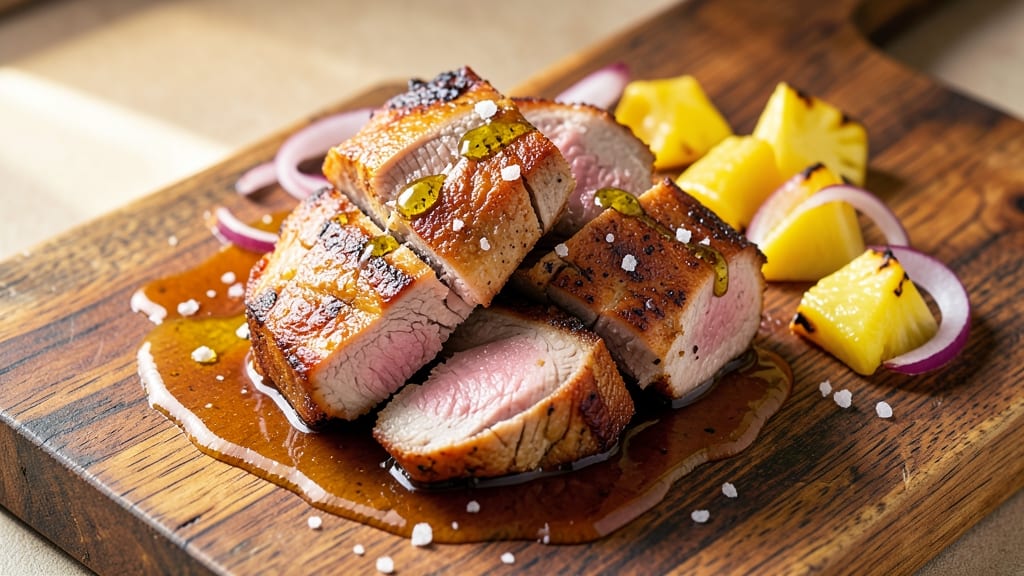
This pork asado recipe with pineapple juice transforms tough cuts into melt-in-your-mouth tenderness with just 24 hours of marinating. 🌟 The secret lies in the tropical blend of pineapple juice, citrus, and aromatic spices that break down the meat while infusing it with bright, Caribbean-inspired flavors.
My grandmother used to say pineapple was the "magic tenderizer," and after years of testing, I finally understood why—it doesn't just soften, it transforms.
The beauty of this recipe is its balance of tradition and simplicity. You'll start with a foolproof marinade that requires just 10 minutes of prep, then let the flavors work their magic overnight.
The result? Juicy, caramelized pork with a perfect char from grilling or roasting, all while keeping the kitchen process straightforward. No fancy techniques needed—just patience and a little tropical magic.
By the time you serve this dish, your kitchen will smell like a Caribbean breeze, and every bite will deliver that perfect contrast of tender meat with bright, tangy notes from the pineapple.
The marinade's acidity also creates a beautiful crust when grilled, locking in those juices while adding a subtle sweetness that pairs perfectly with traditional sides like grilled plantains or fluffy rice.
This recipe scales beautifully for gatherings—whether it's a family dinner or a backyard BBQ. The leftovers reheat just as well, making it a practical choice for meal prep too. Let's get started on creating your most tender, flavorful pork yet.
Ingredients for pork asado recipe with pineapple juice
Tropical marinade meets tender pork—just 14 ingredients for Caribbean-style magic.
| Ingredient | Amount | Notes |
|---|---|---|
| Pork Shoulder (Boston Butt) 🐖 | 3 lb | Cut into 2-inch chunks for even cooking |
| Fresh Pineapple Juice 🍍 | 1 ½ cups | From 1 large fresh pineapple (blended and strained) |
| Orange Juice 🍊 | 1 cup | Freshly squeezed, no pulp |
| Lime Juice 🍋 | ½ cup | Freshly squeezed for bright acidity |
| Olive Oil 🫒 | ½ cup | Extra-virgin for richness |
| Brown Sugar 🍯 | ¼ cup | Light or dark, packed |
| Garlic Cloves 🧄 | 8 cloves | Minced, for deep aromatic flavor |
| Ground Cumin 🌿 | 2 tsp | Toasted for deeper flavor |
| Ground Coriander 🌿 | 1 tsp | Freshly ground preferred |
| Dried Oregano 🍃 | 1 tbsp | Mexican oregano if available |
| Black Peppercorns 🌶️ | 1 tsp | Freshly cracked for best flavor |
| Salt 🧂 | 2 tbsp | Diamond Crystal preferred |
| Fresh Cilantro 🌿 | ¼ cup | Chopped, for garnish (optional) |
| Fresh Jalapeño 🌶️ | 1 whole | Seeded and minced, optional for heat |
The pork shoulder is non-negotiable here—its fat content renders beautifully during the long marinade, creating that melt-in-your-mouth texture. Look for well-marbled cuts at your butcher or the meat department, and ask for it to be cut into 2-inch chunks if they don't already. For the pineapple juice, fresh is essential—store-bought versions often contain additives that dull the marinade's brightness. I always grab one large pineapple from Trader Joe's or my local Latin market; it yields enough juice plus extra for smoothies. The orange juice should be freshly squeezed too—no pulp, but don't strain it completely. That tiny bit of fiber adds texture to the marinade.
No fresh pineapple? Canned crushed pineapple (drained) works in a pinch, but add 1 tbsp lime juice to compensate for the lack of fresh acidity. Swapping orange juice? Grapefruit juice adds a nice tang, but reduce to 0.75 cup—it's stronger. The brown sugar can be swapped for white sugar if you're watching carbs, but the molasses notes from brown sugar caramelize better during grilling. For the spices, toast your cumin and coriander seeds in a dry pan for 30 seconds before grinding if you have whole spices—it deepens their flavor. The jalapeño is optional but worth it if you love heat; if you skip it, add 0.5 tsp cayenne for a kick.
Marinate the pork for at least 24 hours—this isn't something you can rush. Store the marinade and meat in a ziplock bag, squeezing out air before sealing, then refrigerate. The pork keeps 3-4 days marinated in the fridge, but don't exceed that or the acidity will start breaking down the meat too much. When ready to cook, pat the pork dry with paper towels—this helps create that perfect caramelized crust. Leftovers reheat beautifully; warm in a skillet with a splash of the leftover marinade for extra flavor. The marinade itself? Use any leftovers as a quick glaze for grilled veggies or drizzle over rice.
Why You'll Love This Recipe
- Fewer Messy Steps: The pineapple juice and citrus do all the work—no fancy marinades or hours of prep. Just slice the pork, toss it in a bowl with the juices and oil, and let it sit while you chop veggies or open a beer. Honestly, I’ve made this on days I didn’t even want to cook.
- Tropical Twist: That bright, tangy pineapple-orange-lime mix caramelizes into a sticky, slightly sweet glaze while the pork stays juicy. It’s like a cross between a BBQ shoulder and a Hawaiian luau—without the touristy vibes.
- Leftovers That Shine: This isn’t one of those meals that turns sad after day one. The pork stays tender, and the sauce keeps its punch, so I pack it for lunches or toss it into fried rice. My kids actually ask for it the next day.
Step-by-step instructions for Caribbean-style pork asado
Here's how to transform tough pork into fall-apart tender meat with tropical brightness.
👨🍳 Step 1: Marinate the Pork for Maximum Tenderness
In a large bowl, combine the 1.5 cups fresh pineapple juice, 1 cup orange juice, 0.5 cup lime juice, 0.5 cup olive oil, 0.25 cup brown sugar, 8 minced garlic cloves, 2 teaspoons ground cumin, 1 teaspoon ground coriander, 1 tablespoon dried oregano, 1 teaspoon cracked black peppercorns, and 2 tablespoons salt. Whisk until the brown sugar dissolves completely.
Add the 3 lb pork shoulder cut into 2-inch chunks and turn to coat thoroughly. The marinade should cover all surfaces of the meat. This tropical blend of citrus and spices works magic—pineapple's enzymes break down tough fibers while the acid tenderizes the meat. Cover and refrigerate for at least 12 hours (overnight is best) for maximum penetration.
🍳 Step 2: Sear the Pork for Deep Flavor
Remove the pork from the marinade (reserve the liquid) and pat dry with paper towels. Heat a large skillet over medium-high heat and add the pork in batches, leaving space between pieces. Don't crowd the pan—this ensures proper browning.
Sear for 3-4 minutes per side until deeply golden brown with crisp edges. The pork should release easily from the pan when ready. This step builds incredible flavor through the Maillard reaction. Transfer the seared pork to a plate and set aside.
🔥 Step 3: Slow Cook Until Fork-Tender
Pour the reserved marinade into a Dutch oven or heavy pot. Bring to a simmer over medium heat, then add the seared pork. Reduce heat to low and cover partially. Let it cook for 2.5-3 hours, turning the pork occasionally, until it reaches 203°F internally and shreds easily with two forks.
Here's the thing—the long, slow cook time is crucial. The citrus continues working its magic while the spices infuse deeply. You'll know it's done when the meat pulls apart effortlessly and the sauce has reduced to a glossy consistency. If it looks dry, add 1-2 tablespoons of water and continue cooking uncovered for 10 minutes to thicken.
🥘 Step 4: Finish with Fresh Herbs and Garnish
Transfer the pork to a serving platter and tent loosely with foil. Let it rest for 10 minutes—this crucial step allows juices to redistribute throughout the meat. Meanwhile, stir in the 0.25 cup chopped fresh cilantro and 1 minced jalapeño (if using) into the cooking liquid. Taste and adjust seasoning with additional salt if needed.
Spoon the vibrant sauce over the pork and garnish with extra cilantro and jalapeño slices. The bright green herbs cut through the richness while adding freshness. Serve with warm tortillas, rice, or grilled plantains for an authentic Caribbean feast.
Pro Tips For Making Pork Asado Recipe With Pineapple Juice
- Sear Before Braising: Get that pork shoulder screaming hot in a dry skillet first—no oil needed. I used to skip this, and the meat just soaked up the pineapple juice like a sponge, turning bland. Three minutes per side until deep brown makes all the difference when the citrus marinade hits later.
- Strain That Juice: Fresh pineapple juice is non-negotiable, but strain out the pulp—trust me, you don’t want chunks in your braising liquid. I learned this after serving a guest a mouthful of fiber. Use a fine-mesh sieve or cheesecloth, and save the pulp for smoothies (it’s still good, just not for this dish).
- Acid First, Then Heat: Pour the citrus mix over raw pork and let it sit uncovered in the fridge for at least 2 hours—overnight is better. Rushing this means the acid will cook the edges before the meat hits 145°F, turning them rubbery. (Yes, even if you’re impatient like me.)
- Foil Tent for Last Hour: After the initial braise, tent the pork with foil for the final hour to trap steam and render fat. I used to ignore this, and the crust would dry out while the center stayed tough. Works especially well if you’re using a slow cooker or oven—just don’t skip the tent.
Storing and reheating this recipe
Refrigerator Storage
Your perfectly marinated pork asado stays fresh in the fridge for 3-4 days after cooking, but I always recommend storing it within 2 days to preserve that bright pineapple-citrus flavor.
Let the meat cool completely before transferring to an airtight container—I use glass Pyrex with snap-on lids to prevent odors from seeping in. The sauce can be stored separately in a small jar, or you can spoon it over the pork before refrigerating.
When reheating, the sauce will thicken slightly, so add 1-2 tablespoons of water if it looks too concentrated. 🌡️
Freezer Storage
For longer storage, freeze the pork asado for up to 3 months—the pineapple juice's acidity actually helps preserve the meat better than most marinades. Portion into ziplock freezer bags (remove as much air as possible) or glass freezer-safe containers, leaving 1-inch headspace for expansion.
When ready to eat, thaw overnight in the fridge, then reheat gently in a skillet with a splash of water or reserved marinade to restore moisture. Never microwave directly from frozen, or you'll end up with dry, stringy meat.
Reheating Stovetop
My preferred method for reheating is stovetop because it maintains the best texture and flavor. Place the pork in a heavy-bottomed skillet over medium-low heat with 2 tablespoons of water or reserved marinade. Cover and heat for 8-10 minutes, stirring occasionally, until reaching 165°F internal temperature.
The residual juices and sauce will create a delicious pan sauce—just stir it into the pork before serving. For extra tenderness, add a splash of pineapple juice while reheating to mimic the original marinade's brightness. ✨
Oven Reheating
If you're reheating a large batch for a gathering, the oven works well for even heating. Preheat to 300°F, place the pork in an oven-safe dish, cover tightly with foil, and bake for 15-20 minutes.
The foil traps steam to prevent drying, while the lower temperature keeps the meat tender. For extra flavor, drizzle 1 tablespoon of reserved marinade over the top before covering. Check the internal temperature with a meat thermometer—it should read 165°F when done.
The oven method is great for keeping multiple dishes warm simultaneously.
Leftovers Magic
Don't let leftovers go to waste—transform them into new meals! Shred the pork and use it in tacos with avocado crema, pork fried rice with scrambled eggs, or pork empanadas with the reserved sauce as a filling.
The marinade also makes an incredible glaze for grilled vegetables or drizzle over rice—simply reduce it by half on the stovetop. I often save the leftover sauce in ice cube trays and freeze it for quick flavor boosts later.
The acidity in the pineapple juice actually improves with time, making older leftovers taste even more vibrant. 💫
Safety First
Always reheat pork asado to an internal temperature of 165°F—this kills any bacteria and ensures food safety. If you're unsure, use a meat thermometer—they're inexpensive and save you from foodborne illness. When storing leftovers, divide them into smaller portions before refrigerating or freezing.
This helps them cool faster and reheat more evenly. I keep a small instant-read thermometer on my fridge door for quick checks.
Never leave pork at room temperature for more than 2 hours (or 1 hour if it's above 90°F outside), as bacteria grows rapidly in the "danger zone" between 40°F and 140°F.
Nutrition facts
Frequently asked questions
Can I use canned pineapple juice instead of fresh?
Yes, but with one important adjustment! Canned pineapple juice often contains added sugar and preservatives that can dull the marinade's brightness. If using canned, reduce the brown sugar to 2 tablespoons and add 1 extra tablespoon of lime juice to compensate for the lack of fresh acidity. For best results, drain the canned pineapple well to remove excess syrup.
How do I adjust this recipe for a slow cooker?
Perfect for hands-off cooking! After searing the pork, transfer everything (meat + marinade) to your slow cooker and cook on low for 6-8 hours or high for 4-5 hours. The long cook time lets the pineapple juice work its magic while keeping the meat incredibly tender. For extra flavor, add 1 cup of pineapple chunks to the slow cooker during the last hour—it'll caramelize beautifully.
What's the best way to serve this pork with sides?
This tropical pork pairs beautifully with Caribbean-inspired sides! Try grilled plantains (sweet or savory), coconut rice, or black beans with cilantro. For a complete meal, add a mango-avocado salad with lime dressing—the sweetness complements the savory pork perfectly. Pro tip: Warm tortillas or crusty bread works great for soaking up the delicious sauce!
Can I make this recipe without a grill?
If you don't have a grill, use a cast-iron skillet or Dutch oven for the finishing step. After searing, add the pork and marinade to the pot, cover, and cook on low heat for 2-2.5 hours, turning occasionally. The key is keeping the heat low and the lid on to maintain moisture. For extra crispiness, finish under a broiler for 3-5 minutes before serving.
Why does my pork turn out dry when using this recipe?
Dry pork usually happens from one of three things: overcooking, not resting properly, or not patting the meat dry before searing. First, always cook until the internal temp reaches 203°F—no higher! Second, let the pork rest for 10 full minutes before serving. Finally, pat the pork VERY dry with paper towels before searing—this helps create that flavorful crust while keeping the inside juicy.