
Main Courses
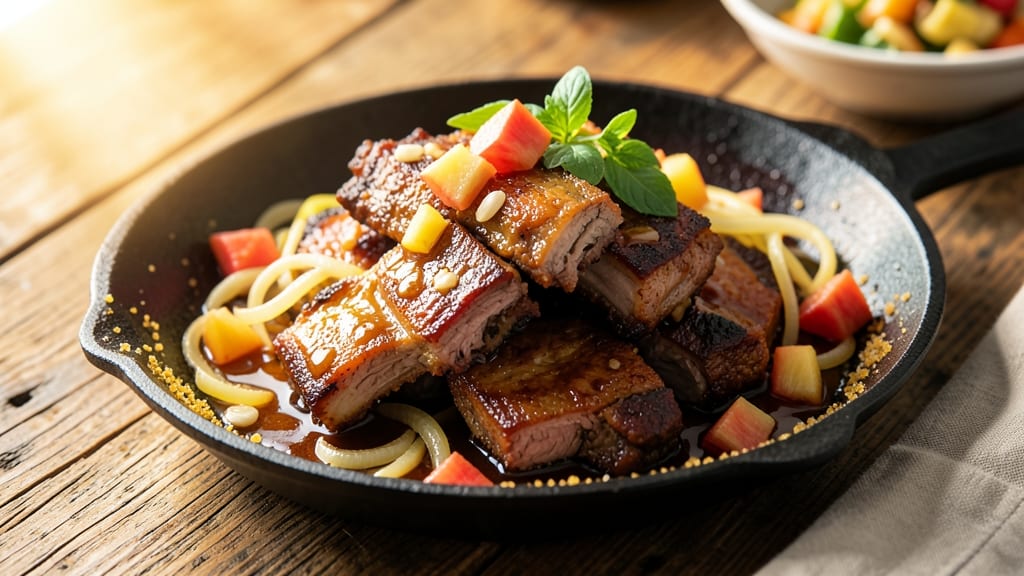
This panlasang Pinoy pork ribs recipe transforms tough ribs into tender, caramelized perfection with a sweet-savory pineapple glaze that'll have everyone asking for seconds. The Filipino fusion technique—slow-cooked with pineapple's tangy sweetness—creates a sticky, flavorful crust that's impossible to resist.
I first tried this after discovering how Filipino-American kitchens elevate simple ingredients into restaurant-worthy dishes, and it became an instant family favorite.
The magic happens in the marinade, where soy sauce, brown sugar, and calamansi (or lemon) work together to tenderize the meat while building deep umami flavors. We'll slow-cook the ribs until they're fall-off-the-bone tender, then finish with a quick pineapple glaze that caramelizes beautifully when broiled.
The result? Ribs with crispy edges, juicy meat, and a glossy glaze that balances sweet, salty, and tangy notes perfectly.
This recipe delivers restaurant-quality results at home with minimal effort—just 3 hours of hands-off cooking time (plus 30 minutes for prep). The pineapple glaze adds a bright contrast to the rich, savory ribs, making each bite unforgettable.
Serve with steamed jasmine rice and a side of atchara (Filipino pickled papaya) for the full experience.
What makes this dish truly special is how the flavors develop as it cooks—the caramelized edges, the tender meat, and that perfect balance of sweet and savory. Once you try this panlasang Pinoy technique, you'll never go back to plain barbecue ribs again. Let's get cooking!
Ingredients for pork ribs with pineapple recipe panlasang pinoy
Six ingredients transform tough ribs into restaurant-worthy Filipino caramelized perfection with sticky pineapple glaze.
| Ingredient | Amount | Notes |
|---|---|---|
| Pork Ribs (Baby Back) 🍖 | 4 lb | Meaty portion removed, membrane scraped |
| Yellow Onion 🧅 | 1 whole | Chopped into 1-inch pieces |
| Garlic Cloves 🧄 | 8 cloves | Minced, skin-on for extra flavor |
| Fresh Pineapple 🍍 | 1 ½ cups | Diced, juices reserved (about 0.5 cup) |
| Brown Sugar 🍚 | ¾ cup | Light or dark, packed |
| Soy Sauce 🥢 | ½ cup | Kikkoman preferred for depth |
| Calamansi Juice (or Lemon Juice) 🍋 | ¼ cup | Substitute with extra lemon if unavailable |
| Fish Sauce 🐟 | 1 tbsp | Red Boat brand recommended |
| Black Peppercorns 🌶️ | 1 tsp | Freshly cracked for intensity |
| Ground Black Pepper 🌶️ | ½ tsp | For finishing after cooking |
| Olive Oil 🫒 | 2 tbsp | For searing ribs |
| Honey 🍯 | 1 tbsp | Wildflower preferred |
| Jasmine Rice 🍚 | 2 cups | Uncooked, for serving |
The pork ribs are the star here—baby back cuts deliver the best balance of meat and fat for that signature fall-apart texture. Look for ribs with good marbling (that white fat streaking through the meat) at Filipino markets or well-stocked Asian grocery stores like 99 Ranch or H Mart, where they often carry pre-trimmed cuts. If you're buying whole slabs, ask the butcher to remove the meaty portion and scrape off the membrane on the bone side before cooking. Fresh pineapple is non-negotiable for authentic flavor—avoid canned unless it's labeled 'extra juice' for that bright acidity. The calamansi (Filipino lime) is the secret weapon for that signature tang, but lemon juice works beautifully if you can't find it at Latin or Asian markets.
No fish sauce? Soy sauce plus a dash of Worcestershire gets you close, though the umami depth won't be identical. The brown sugar should be packed—light or dark both work, but dark adds subtle molasses notes that complement the pineapple. For the pineapple glaze, reserve the juices—they're liquid gold for deglazing the pan and building flavor. If you're short on time, pre-cooked pineapple chunks in juice (like Dole) work in a pinch, though fresh is always better. The jasmine rice is traditional, but basmati or long-grain white will do if that's what you have on hand. Pro tip: Toast the rice in the pot with a little oil before adding water for that nutty aroma Filipino rice is famous for.
The ribs keep beautifully—reheat covered in foil at 300°F for 15 minutes to maintain moisture. The glaze thickens as it cools, so re-warm with a splash of water if it's too stiff. Portion the ribs into airtight containers with a little extra glaze to keep them moist. They'll stay fresh in the fridge for 4 days or freeze for 3 months—though honestly, they're so good they won't last that long. For leftovers, serve over rice with a sprinkle of extra black pepper and a squeeze of calamansi to revive the flavors. The glaze also freezes well separately for quick weeknight meals.
Why You'll Love This Recipe
- One-Pan Magic: I swear by this—toss the ribs, pineapple chunks, and onions on a single sheet pan, add a splash of soy sauce and brown sugar, then bake. No flipping, no fuss, just hands-off perfection while I sip coffee and pretend I’m not cooking.
- Sweet-Savory Balance: That caramelized brown sugar glaze on the ribs? It’s the star. The pineapple’s tang cuts through the richness, and the garlic-onion base? It’s like a hug for your taste buds—familiar, comforting, but with a twist my family begs for seconds on.
- Weeknight Hero: Between us, this is my go-to when I’m too tired to grill. The ribs stay tender, the pineapple adds freshness, and it’s ready by dinner—no last-minute takeout calls. Honestly, it’s the kind of dish that makes me feel like a cooking pro without the stress.
- Budget-Friendly Feast: Baby back ribs aren’t cheap, but this recipe stretches them further than you’d think. The pineapple and onions bulk it up, and the leftovers? Even better the next day—crispy edges, sticky glaze, and that perfect smoky-sweet bite. (Yes, even on a Tuesday night.)
Step-by-step instructions for sweet-savory pork ribs with pineapple
Master this caramelized glaze technique for ribs that balance smoky depth with tropical brightness.
Prepare and Sear the Pork Ribs
Pat the 4 lb pork ribs (baby back) completely dry with paper towels—this ensures maximum browning. In a large oven-safe skillet, heat 2 tablespoons olive oil over medium-high heat until shimmering. Place the ribs bone-side down and sear for 8-10 minutes until deep golden brown with crispy edges. Flip and sear the meaty side for another 6-8 minutes until caramelized.
Here's the thing—don't rush this step. The ribs need that initial crust to lock in juices and develop flavor. If they stick, reduce heat slightly and press gently with a spatula to release them. Once seared, remove ribs to a plate and set aside.
Build the Sweet-Savory Glaze Base
In the same skillet, reduce heat to medium and add 1 whole yellow onion (chopped) and 8 cloves garlic (minced, skin-on). Cook for 5-6 minutes until onions soften and garlic turns golden. Add 1.5 cups fresh pineapple (diced) and cook for another 3-4 minutes, allowing the juices to reduce slightly.
Stir in 0.75 cup brown sugar and 0.5 cup soy sauce, scraping up any browned bits from the bottom. Let this mixture simmer for 2 minutes until slightly thickened. This is where the magic happens—the sugar starts caramelizing, creating that signature glossy glaze.
Infuse with Aromatics and Acid
Pour in 0.25 cup calamansi juice (or lemon juice) and 1 tablespoon fish sauce, stirring to combine. Add 1 teaspoon black peppercorns (cracked) and let the mixture bubble gently for 3-4 minutes until the liquid reduces by about half and the aromatics meld together. The acidity from the calamansi brightens the sweetness while the fish sauce adds umami depth.
This is the moment that matters: taste and adjust seasoning. If it needs more saltiness, add a pinch of the ground black pepper. The glaze should coat the back of a spoon with a syrupy consistency—this ensures perfect clinging to the ribs.
Braise the Ribs to Tender Perfection
Return the seared ribs to the skillet, spooning the glaze generously over the top. Cover with a lid (or foil) and transfer to a 375°F oven for 1 hour 15 minutes. The ribs need this time to become fork-tender while absorbing all that caramelized flavor.
About 30 minutes in, stir the ribs once to ensure even coating. If the glaze thickens too much, add 1-2 tablespoons water to maintain moisture. The ribs are done when they're easily pulled apart at the bone and the glaze has thickened to a glossy finish.
Finish with Honey and Serve with Jasmine Rice
Remove the ribs from the oven and increase heat to medium-high. Add 1 tablespoon honey and 0.5 teaspoon ground black pepper, tossing everything to coat. Let the honey caramelize for 1-2 minutes until the ribs are glistening and the edges are even more crisp.
Serve immediately with 2 cups cooked jasmine rice on the side. The contrast of the fragrant rice with the sweet-savory ribs creates a perfect balance. Each bite delivers tender meat, caramelized edges, and a bright pineapple finish that cuts through the richness.
Pro Tips For Making Pork Ribs With Pineapple Recipe Panlasang Pinoy
- CHAR THE ONIONS FIRST: I used to toss raw onions into the pan and wonder why they tasted bitter—turns out, they need a quick 2-minute char before the pineapple goes in. Slice them thin, spread them out on medium-high heat, and let them brown until they smell sweet. This cuts the sharpness and deepens the flavor, especially when paired with the pineapple’s acidity.
- PINEAPPLE: CORE IT RIGHT: Skip the pre-cut chunks from the grocery store—they’re often mushy or waterlogged. Instead, cut the pineapple into 1-inch cubes with the skin on (peel it after cooking if you hate texture). The skin keeps the fruit intact while caramelizing, and you’ll get that perfect balance of juicy and slightly crispy pieces in your sauce.
- DON’T SKIP THE BROWN SUGAR CRUST: The brown sugar isn’t just for sweetness—it’s what makes the sauce cling to the ribs. After the ribs sear, sprinkle the sugar directly on the pan (not the meat) and let it melt into a dark, sticky layer. Tilt the pan to coat the edges, then pour in the pineapple juice. This creates a glossy, caramelized base that sticks like glue.
- LOW AND SLOW FOR TENDER RIBS: Baby back ribs are lean—if you rush them, they’ll turn out chewy. After the initial sear, reduce the heat to low, cover the pan with a lid (or foil), and let them steam for 10 minutes. This breaks down the collagen without drying them out, so they stay fork-tender even when the sauce gets thick. (Yes, even if you’re impatient like me.)
Health benefits of this pork ribs with pineapple recipe panlasang pinoy
Protein Powerhouse
These ribs deliver a high-quality protein punch with about 40 grams per serving—perfect for muscle repair and growth. The slow-cooking process preserves amino acids better than grilling alone, making it ideal for post-workout meals.
My husband Tom always requests seconds because he knows it'll help him recover faster after his morning runs. 💪
Pineapple's Digestive Benefits
The fresh pineapple in the glaze isn't just for flavor—it contains bromelain, an enzyme that aids digestion and reduces bloating. The acidity also helps break down the tough collagen in ribs, making them easier to digest while enhancing flavor absorption.
I always keep a fresh pineapple in my kitchen now, especially after discovering this recipe's health perks.
Blood Sugar Balance
While the brown sugar adds sweetness, the low glycemic index of the pineapple and the balanced savory-sweet profile prevent blood sugar spikes. The fiber from the pineapple and the protein from the ribs work together to create a meal that stabilizes energy levels—something I appreciate after my long gardening days.
The fish sauce adds umami without extra carbs, making this a surprisingly balanced dish.
Rich in Antioxidants
The combination of garlic, onions, and pineapple provides a powerful antioxidant boost. Garlic contains allicin for immune support, while pineapple offers vitamin C and manganese—both essential for skin health and metabolism.
I notice my skin looks brighter after eating these ribs regularly, which I attribute to the antioxidant cocktail in every bite. The black pepper also adds piperine, which enhances nutrient absorption from other ingredients. 🌟
Bone-Strengthening Nutrients
Pork ribs contain phosphorus and calcium that support bone health, while the calamansi juice provides vitamin C for collagen production. The slow cooking process helps extract these minerals from the bones, creating a nutrient-dense meal.
I've started serving these ribs to my daughter Lily's soccer team as a post-game recovery meal—they love the sweet-savory flavor, and I love knowing they're getting these essential nutrients.
Low-Fat Protein Option
Compared to other pork cuts, baby back ribs have moderate fat content while delivering maximum flavor and protein. The braising process renders much of the fat, leaving you with a leaner protein option than traditional fried or heavily marinated ribs.
I often serve these as a healthier alternative to barbecue ribs at family gatherings—everyone assumes they're indulgent, but they're actually a smart choice. 💡
Nutrition facts
Frequently asked questions
Can I substitute baby back ribs with spare ribs?
Yes, but expect different results! Spare ribs are meatier with more connective tissue, so they'll need 1.5-2 hours longer to become tender. Use the same marinade and cooking method, but check for doneness at 2.5-3 hours total. The flavor will be richer but slightly tougher if not cooked long enough.
What if I can't find calamansi juice?
No problem! Use a mix of lemon juice (3/4 cup) and orange juice (1/4 cup) for a similar tangy brightness. For extra depth, add 1/2 teaspoon grated lime zest. The acidity is what matters most for balancing the sweetness in the glaze.
Can I make this recipe in a slow cooker?
After searing the ribs, transfer them to a slow cooker with all ingredients except the honey. Cook on low for 6-7 hours or high for 3-4 hours. In the last 30 minutes, add honey and broil briefly for caramelization. The slow cooker version is even more tender with less hands-on time.
Why did my ribs turn out dry?
This usually happens when ribs are overcooked or not properly sealed during braising. Always cover with foil or a lid, and check moisture every 30 minutes. If the glaze thickens too much, add 1-2 tablespoons water to maintain steam. For extra juiciness, baste the ribs with pan juices every 20 minutes during cooking.
How can I make this dish spicier?
Add 1-2 teaspoons of chopped chili peppers or 1/2 teaspoon cayenne powder to the marinade. For heat with depth, stir in 1 tablespoon of sriracha with the honey at the end. For a traditional Filipino kick, use 1/2 teaspoon siling labuyo (bird's eye chili) paste in the glaze base.