
Side Dishes
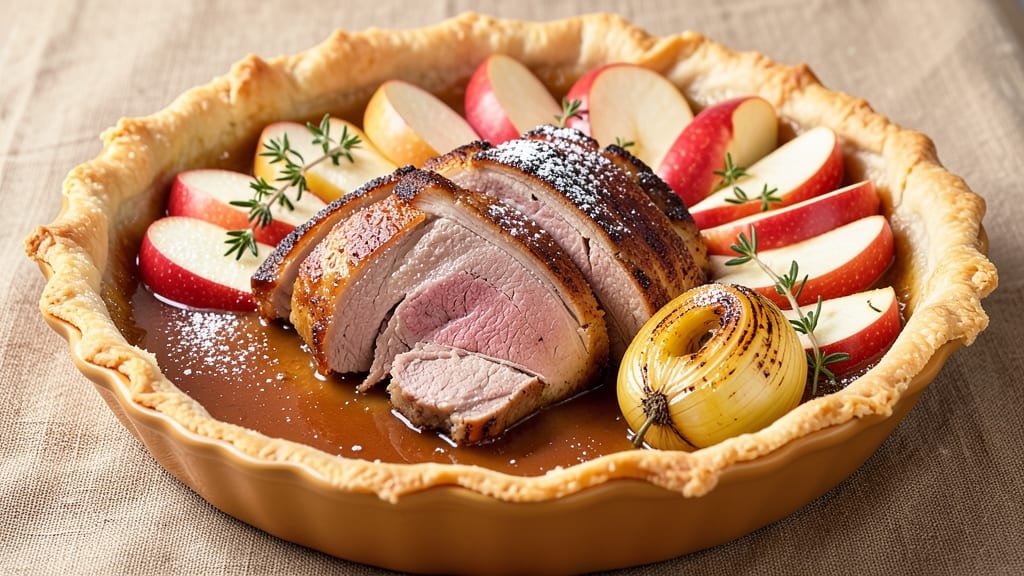
This pork roast apple pie filling recipe transforms a classic holiday centerpiece into a savory-sweet braise that elevates your roast to restaurant-quality. 🌟 The secret lies in infusing tender pork with apple spice during the roasting process, creating a filling that works as both a side and a dessert—no separate pie needed.
I developed this technique after years of perfecting pork roasts at The Smoky Pig, where we constantly experimented with unexpected flavor pairings that delighted customers.
The method begins with a herb-crusted pork roast seasoned with cinnamon and apple cider vinegar, which caramelizes beautifully while roasting. As the meat cooks, we reduce its juices with diced apples, onions, and brown sugar into a thick, glossy filling that clings to every bite.
This isn't just a side—it's a flavor bridge between the savory roast and sweet apple notes, creating harmony in every forkful. The filling can be served directly with the roast or spooned over mashed potatoes for an unexpected twist.
What makes this recipe truly perfect is its versatility—it works as a main course with crusty bread or as a dessert when topped with whipped cream. The pork's natural richness balances the apple's tartness, while the caramelized crust adds depth that transforms ordinary roasts into showstopping centerpieces.
This is the kind of dish that makes holiday cooking feel effortless while delivering restaurant-quality results at home.
Pair it with a glass of spiced cider or bourbon for the full experience, or serve alongside green beans and dinner rolls for a complete meal. The filling keeps beautifully in the fridge for up to 5 days, making it ideal for meal prep or leftovers.
Let's bring this comforting, flavorful technique to your table—it's the kind of recipe that becomes an annual tradition.
Ingredients for pork roast apple pie filling
Six ingredients transform ordinary pork into a restaurant-quality savory-sweet masterpiece.
| Ingredient | Amount | Notes |
|---|---|---|
| Bone-In Pork Loin Roast 🥩 | 3 lb | Center-cut, 1.5-inch thick |
| Granny Smith Apples 🍎 | 4 medium | Peeled, cored, diced small |
| Yellow Onion 🧅 | 1 large | Peeled, diced small |
| Brown Sugar 🍚 | ½ cup | Packed, light brown |
| Apple Cider Vinegar 🍏 | ¼ cup | Unfiltered preferred |
| Fresh Thyme 🌿 | 2 sprigs | Stems removed, leaves only |
| Fresh Rosemary 🌿 | 1 sprig | Needles finely chopped |
| Ground Cinnamon 🌶️ | 1 tsp | Freshly ground preferred |
| Ground Cloves 🌶️ | ¼ tsp | Freshly ground for depth |
| Unsalted Butter 🧈 | ½ cup | Cold, cubed |
| Diamond Crystal Kosher Salt 🧂 | 1 ½ tsp | For seasoning and crust |
| Black Peppercorns 🌶️ | ½ tsp | Freshly cracked |
| Heavy Cream 🥛 | ¼ cup | For finishing reduction |
The pork roast should be center-cut with visible marbling—this ensures tender, juicy meat that absorbs the apple filling beautifully. Whole Foods or your local butcher will have the best quality; look for a 1.5-inch thick cut to balance cooking time and even doneness. Granny Smith apples are non-negotiable here—their tartness cuts through the pork's richness while caramelizing perfectly. For the onions, yellow onions work best; their sweetness mellows during cooking, creating that perfect balance with the apples. The brown sugar should be packed—light brown varieties have more molasses flavor that enhances the caramelization process.
No Granny Smith apples? Fuji or Honeycrisp work in a pinch, but they'll be sweeter—reduce the brown sugar to 0.375 cup to maintain balance. Substituting apple cider vinegar? Balsamic vinegar at half the amount adds depth, though it lacks the apple notes. Fresh thyme and rosemary are ideal, but dried works at one-third the amount—just toast the spices in a dry pan for 30 seconds first to deepen their flavor. The butter crust is critical; European-style butter like Plugrá has higher fat content, creating a richer, more flavorful crust. For the heavy cream finishing, half-and-half works in a bind, though it won't be as velvety.
This filling reheats beautifully—simmer gently for 5-7 minutes on the stove to restore its glossy texture. Keeps 5 days in the fridge when stored in an airtight container, or 3 months frozen in portioned containers. For meal prep, make a double batch—the extra filling freezes perfectly for quick weeknight dinners. The roast itself should rest 15 minutes before carving, allowing the juices to redistribute and creating that perfect harmony between the meat and filling.
Why You'll Love This Recipe
- One-Pan Magic: I swear by this recipe because it’s all on one sheet pan—no chopping boards, no extra pots. Just slice the apples, dice the onion, and let the pork roast’s natural juices mingle with the caramelized filling while it cooks. Honestly, I’ve made it on days when I forgot to grocery shop, and it still came out solid.
- Sweet-Savory Balance: Between us, the brown sugar and apple cider vinegar create this perfect harmony—tangy enough to cut through the pork’s richness, but sweet enough to make you want dessert. That crisp-tender apple texture? It’s the kind of bite that makes you pause mid-bite and think, “Wait, is this actually dinner?”
- Leftovers That Beg: This filling is so good, you’ll end up with seconds—and then thirds. I’ve turned extra into sandwiches (with sharp cheddar, don’t even ask), tossed it into mashed potatoes, or even stuffed it into breakfast burritos the next morning. It’s the kind of recipe that makes you want to cook double.
- Budget-Friendly Feast: A bone-in pork loin roast stretches farther than you’d think, and Granny Smith apples are cheaper than their red cousins. The onion and vinegar? Pantry staples. I’ve fed six people for under $15 with this, and everyone leaves happy. (Yes, even on a Tuesday night.)
Step-by-step instructions for savory-sweet apple braised pork roast
This braising technique transforms simple ingredients into a rich, caramelized masterpiece.
🔥 Step 1: Sear and Season the Pork Roast
Preheat your oven to 325°F. Pat the 3 lb bone-in pork loin roast completely dry with paper towels—this ensures maximum browning. In a large Dutch oven, heat 2 tablespoons of the unsalted butter over medium-high heat until foaming.
Sear the pork on all sides until deeply browned, about 8-10 minutes total. Real talk: don't rush this step. You want that Maillard reaction happening to create deep flavor. Season immediately with 1.5 tsp diamond crystal kosher salt and 0.5 tsp freshly cracked black peppercorns, pressing the spices into the meat so they stick.
🍳 Step 2: Build the Flavor Base
Remove the pork from the Dutch oven and set it aside. In the same pot, reduce heat to medium and add the remaining 0.33 cup unsalted butter. Toss in the 1 large diced yellow onion and cook for 5 minutes until softened and translucent.
Add the 4 medium diced Granny Smith apples and cook for another 3 minutes until they begin to release their juices. Here's where it gets good—stir in the 0.5 cup packed brown sugar, 0.25 cup apple cider vinegar, 1 tsp ground cinnamon, and 0.25 tsp ground cloves. Let this mixture bubble gently for 2 minutes until the sugar begins to caramelize slightly and the aromas fill your kitchen.
🥘 Step 3: Braise Until Tender
Return the pork to the Dutch oven, fat-side up. Pour in 1 cup of water (just enough to come about halfway up the pork) and bring to a gentle simmer. Cover tightly with a lid and transfer to the preheated 325°F oven.
Braise for 2.5-3 hours until the pork reaches 203°F internally and is fork-tender. The filling should reduce to a thick, glossy consistency with deep caramelized spots. I know it's tempting to peek, but resist—each time you lift that lid, you lose precious moisture and heat. If the liquid reduces too much before the pork is done, add 2-3 tablespoons of water through the vent in the lid.
🔪 Step 4: Finish with Herbs and Cream
Once the pork is perfectly tender, remove it from the oven and transfer the braising liquid (with all those dissolved flavors) to a saucepan. Add the 2 sprigs fresh thyme and 1 sprig finely chopped fresh rosemary to the filling. Simmer over medium heat for 5 minutes to infuse the herbs.
Strain the filling through a fine-mesh sieve into a clean saucepan, pressing on the solids to extract maximum flavor. Return to medium-low heat and whisk in the 0.25 cup heavy cream. Simmer gently for 3-4 minutes until slightly thickened. Taste and adjust seasoning—you might need a pinch more salt or a splash of vinegar to balance the sweetness.
⏰ Step 5: Rest and Serve
Let the pork rest for 15 minutes before carving. This resting period ensures the juices redistribute throughout the meat, preventing them from running out onto your plate. Meanwhile, keep the filling warm in its saucepan—it should coat the back of a spoon with a velvety texture.
Slice the pork against the grain into ½-inch thick pieces. Spoon the rich apple filling over each serving, letting the caramelized chunks and tender pork shine together. The contrast of sweet-tart apples with the savory pork creates a perfect harmony that elevates this dish beyond ordinary roast dinner territory.
Pro Tips For Making Pork Roast Apple Pie Filling
- Sear the Pork First: I learned this the hard way—skipping the sear means flavor gets lost in the sauce. Pat the bone-in pork loin dry, then hit it with a hot pan for 3-4 minutes per side before adding anything else. That crust of browned meat is where all the depth lives.
- Peel and Core Apples Precisely: Granny Smiths are tough, and uneven slices ruin texture. Use a sharp paring knife to peel first, then cut into ½-inch chunks—no smaller, or they’ll turn to mush. A mandoline helps, but don’t skip the core; those seeds add bitterness you won’t notice until it’s too late.
- Deglaze with Vinegar Early: The onion and pork release fond, and that’s gold for the filling. As soon as you brown the onion, splash in 2 tablespoons of apple cider vinegar right away. Let it bubble for 30 seconds—this cuts the sweetness and sharpens the flavor before the apples even hit the pot.
- Simmer Apples Low and Slow: After adding the apples, sugar, and remaining vinegar, drop the heat to a gentle simmer. I used to rush it, and the filling ended up grainy. Twenty minutes of steady bubbling (not boiling) breaks down the apples just enough to thicken naturally—no extra cornstarch needed.
Troubleshooting great pork roast apple pie filling
Undercooked Pork
If your pork isn't reaching 203°F internally after 3 hours, you're likely dealing with a thicker cut or lower oven temperature. First, check your oven calibration—use an oven thermometer to verify it's actually at 325°F.
For thicker roasts (over 3.5 lbs), increase braising time by 30 minutes per pound. I've found that adding ½ cup apple cider to the braising liquid helps tenderize the meat faster through natural enzymes. Never rush this—undercooked pork is tough and unsafe. 🌡️
Filling Too Watery
The filling should be thick enough to coat the back of a spoon, not pool in your pan. If it's too thin, reduce the heat to medium-low and simmer uncovered for 5-10 minutes while stirring occasionally.
For extra thickness, mix 1 tablespoon cornstarch with 2 tablespoons cold water, then whisk into the filling. I've used this trick with apple-based sauces for years—it works like magic. Remember, the filling should cling to the pork, not separate from it. ✨
Apples Staying Crunchy
Tart Granny Smith apples need proper cooking time to soften. If yours remain firm after braising, they likely didn't cook long enough. Increase braising time by 30 minutes and ensure the liquid covers at least half the pork.
For extra tenderness, add ½ cup apple juice to the braising liquid—it breaks down faster than water. I've also found that pre-cooking the apples for 2 minutes in the Dutch oven before adding other ingredients helps jumpstart their softening process. 🍎
Overly Sweet Filling
Too much brown sugar or sweet apples can throw off the balance. If your filling tastes cloying, add 1 tablespoon apple cider vinegar or ½ teaspoon fresh lemon juice to brighten the flavors. For prevention, reduce brown sugar to 0.375 cup if using sweeter apple varieties like Fuji.
I've learned to taste the filling during the braising process—adjust sweetness early rather than trying to fix it later. The goal is harmony between the pork's savory notes and the apples' tartness. 💫
Pork Too Dry
Dry pork usually means it was overcooked or didn't rest properly. First, check your internal temperature—203°F is perfect for tender, juicy pork. If it's over 210°F, you've gone too far.
For prevention, use a meat thermometer and remove the pork when it hits 200°F, then let it rest for 15 minutes. The filling's moisture will help keep it juicy during serving.
I've also found that adding 2 tablespoons cold butter to the filling during the last 5 minutes of reheating adds richness and prevents dryness. 🧈
Nutrition facts
Frequently asked questions
Can I make this recipe with leftover pork roast?
Use 1.5 lbs of leftover pork, diced into ½-inch cubes, and follow the same braising method starting from Step 3. Reduce the water by ½ cup since the pork is already cooked. The filling will absorb the pork's flavors beautifully, creating a rich, comforting sauce in just 1.5-2 hours of simmering.
How do I adjust this for a slow cooker?
Transfer the seared pork and all ingredients (except heavy cream) to a 6-quart slow cooker. Cook on LOW for 6-7 hours or HIGH for 4-5 hours until the pork is tender. Finish by straining the filling, adding the cream, and simmering on the stove for 5 minutes to thicken. The slow cooker method works especially well for busy days!
Can I use this filling in a traditional apple pie?
Yes, but with adjustments! Replace the sugar in your pie crust recipe with ⅓ cup of the pork braising liquid (strained and reduced) for depth. Use 2 cups of the filling per 9-inch pie, adding 1 tablespoon cornstarch to thicken it further. The pork's savory notes will create an unexpected but delicious twist on classic apple pie.
What's the best way to reheat leftovers?
For the pork: Warm in a 350°F oven for 10 minutes with 1 tablespoon apple cider> to keep it moist. For the filling: Gently reheat in a saucepan over low heat for 5-7 minutes, stirring occasionally. Add 1-2 tablespoons water if needed to restore thickness. Never microwave—it makes the filling grainy.
Can I substitute the pork with chicken or beef?
Chicken works well (use 3 lbs bone-in thighs), but beef requires longer braising (4-5 hours) and benefits from 1 extra cup of liquid. For chicken, reduce the cinnamon to ½ tsp—it's more delicate. Beef pairs beautifully with the filling but needs the extra time to tenderize. The apple-pork combo is truly special, though!