
Main Courses
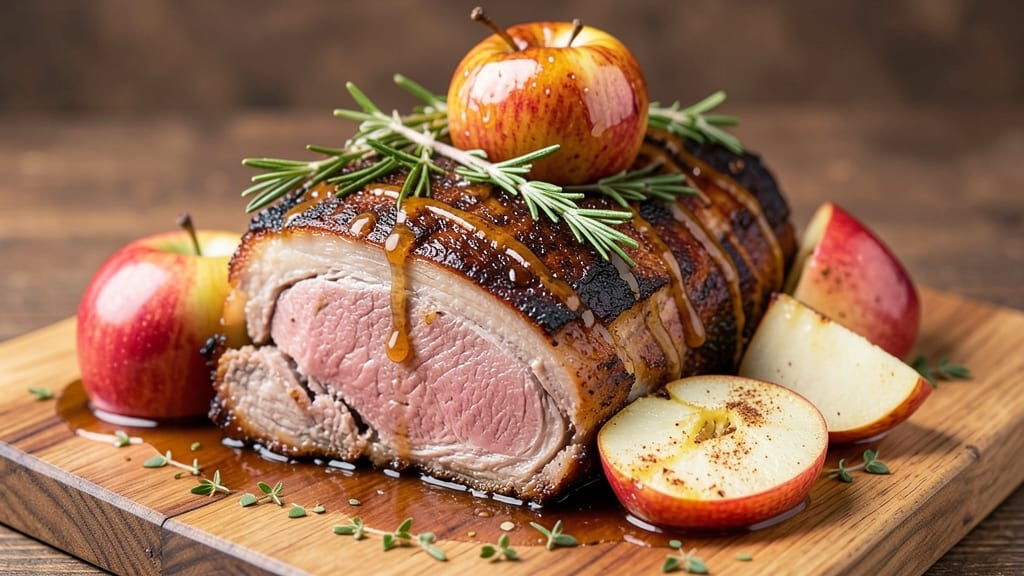
This apple cinnamon pork roast recipe transforms tough pork shoulder into melt-in-your-mouth perfection with just a few simple ingredients. The secret lies in braising—slow-cooking the pork with apples, cinnamon, and aromatic spices until it's fall-apart tender while developing deep, caramelized flavors.
As someone who's cooked thousands of pounds of pork weekly, I can tell you this method elevates humble pork cuts into something restaurant-worthy.
The magic happens when sweet apples and warm cinnamon marry with savory pork, creating a balance that's both comforting and sophisticated. We'll use a simple marinade of apple cider, cinnamon, and herbs to start, then slow-roast the pork until it's fork-tender.
The apples soften beautifully, releasing their juices to create a naturally sweet glaze that clings to every bite. This isn't just dinner—it's a flavor experience that'll have your whole table asking for seconds.
What makes this recipe particularly impressive is how it transforms inexpensive cuts into something luxurious. The slow cooking process breaks down collagen for incredible tenderness, while the apple-cinnamon mixture adds complexity without overpowering the natural pork flavor.
The result is a dish that's perfect for holiday gatherings or casual weeknight dinners—equally at home on a farmhouse table or elegant dinner party setting.
Once you try this method, you'll never cook pork shoulder the same way again. The technique works equally well with bone-in or boneless cuts, and the leftovers reheat beautifully for sandwiches or tacos the next day. Let's get started on creating this showstopping centerpiece that'll have everyone guessing your secret.
Ingredients for apple cinnamon pork roast
Six aromatic ingredients transform tough pork into restaurant-quality centerpiece perfection.
| Ingredient | Amount | Notes |
|---|---|---|
| Pork Shoulder (Bone-In) 🍖 | 4 lb | With fat cap intact for flavor |
| Honeycrisp Apples 🍎 | 4 whole | Peeled, cored, quartered (skin-on for texture) |
| Granulated Cinnamon 🌿 | 2 tbsp | Ceylon preferred for delicate flavor |
| Apple Cider Vinegar 🍶 | ½ cup | Bragg or local cider brand |
| Fresh Rosemary 🌿 | ½ cup | Chopped, stems removed (or 2 tbsp dried) |
| Fresh Thyme 🌿 | ¼ cup | Leaves only, stems discarded |
| Garlic Cloves 🧄 | 6 cloves | Smashed, not minced (for aroma) |
| Onion (Yellow) 🧅 | 1 whole | Chopped into 1-inch pieces |
| Beef Broth 🍲 | 1 ½ cups | Low-sodium, homemade preferred |
| Olive Oil 🫒 | 2 tbsp | Extra-virgin for roasting |
| Brown Sugar 🍚 | 2 tbsp | Light or dark, packed |
| Salt 🧂 | 1 ½ tsp | Diamond Crystal kosher salt |
| Black Peppercorns 🌶️ | 1 tsp | Freshly cracked, coarse |
| Fresh Sage 🌿 | ¼ cup | Chopped, for garnish (optional) |
The pork shoulder is where the magic happens—bone-in cuts develop deeper flavor, but boneless works too (just add 15 minutes to cooking). Costco or local butcher shops usually have the best prices, and you'll want at least 4 pounds for 6 servings. Look for good marbling—the fat renders down during cooking, keeping the meat moist. Honeycrisp apples are ideal (they hold shape beautifully), but Fuji or Pink Lady work too. The cinnamon should be fresh—grind whole sticks if possible, or buy pre-ground from Penzeys for that restaurant-quality warmth. Fresh herbs are non-negotiable here—they make all the difference between good and extraordinary.
No apple cider vinegar? White vinegar or lemon juice at the same amount works in a pinch, though the flavor won't be identical. Running short on fresh rosemary? Dried works at one-third the amount, but toast it first in a dry pan for 30 seconds to wake up the flavor. The beef broth can be swapped for vegetable broth if preferred, though purists argue the umami depth matters. For extra richness, add 1 tbsp of soy sauce to the marinade. The brown sugar helps caramelize the apples—don't skip it, even if you're watching sugar content. And if you're feeling fancy, wrap the pork in pork-free bacon before roasting for extra crispy edges.
This roast tastes even better the next day once all the flavors meld together. Store leftovers in the fridge for up to 5 days, or freeze for 3 months—it reheats beautifully with a splash of beef broth. I always make a double batch for holiday gatherings because the leftovers make incredible sandwiches (pile high with caramelized apples and a schmear of Dijon mustard). The apples soften completely during cooking, so don't worry about overcooking them—they'll turn into a sweet, sticky glaze that's pure magic. Save any extra apple cider or caramelized juices for pancakes or oatmeal—trust me on this.
Why You'll Love This Recipe
- Foolproof Prep: I swear by this—just sear the pork, toss in sliced apples and rosemary, then let the oven do the work. No fancy techniques, no stress, and honestly? The hardest part is waiting for it to finish.
- Sweet-Savory Magic: That caramelized apple glaze with a kick of vinegar? It’s like fall in a bite—tender pork with crisp edges, warm cinnamon, and just enough tartness to cut through the richness. My kids fight over seconds.
- Weeknight to Holiday: Same recipe, different occasions. Serve it with mashed potatoes for a cozy Tuesday night, or pair it with crusty bread and a simple salad for Thanksgiving leftovers. Between us, it’s my go-to for gatherings because it always impresses.
- Budget-Friendly Feast: A bone-in pork shoulder stretches across meals—shred it for tacos the next day or slice it for sandwiches. Apples and cinnamon are pantry staples, and rosemary lasts forever. This is the kind of recipe that makes grocery money go further without sacrificing flavor.
Step-by-step instructions for apple cinnamon pork roast
Transform tough pork shoulder into melt-in-your-mouth perfection with this aromatic braise.
Sear the Pork Shoulder for Deep Flavor
Heat a Dutch oven over medium-high heat and add the 2 tablespoons olive oil. Once shimmering, carefully place the 4 lb pork shoulder (bone-in) fat-side down and sear undisturbed for 8-10 minutes until the fat renders and the skin turns deep golden brown. Flip the pork and sear the other side for another 8-10 minutes.
This initial searing creates a flavorful crust while rendering fat that will later baste the meat. I press down gently on the pork during the first minute of searing—this prevents it from curling and ensures even contact with the pan. Remove the pork and set it aside on a plate, reserving all the rendered fat in the pot.
Build the Apple-Cinnamon Aromatics
In the same Dutch oven, add the 1 whole yellow onion (chopped) and cook for 5 minutes until softened. Add the 6 smashed garlic cloves and cook for 30 seconds until fragrant. Stir in the 2 tablespoons granulated cinnamon, 2 tablespoons brown sugar, 1.5 teaspoons salt, and 1 teaspoon black peppercorns, cooking for 1 minute to toast the spices.
Add the 4 peeled, cored, quartered Honeycrisp apples (skin-on) and toss to coat in the spice mixture. Pour in the 0.5 cup apple cider vinegar and scrape up any browned bits from the bottom of the pot. This step develops the complex, sweet-tangy base that will infuse the pork.
Layer Herbs and Braising Liquid
Return the seared pork shoulder to the Dutch oven, fat-side up. Sprinkle the 0.5 cup chopped fresh rosemary and 0.25 cup fresh thyme leaves over the top, pressing gently to adhere. Pour in the 1.5 cups beef broth, ensuring the pork is mostly submerged but not fully covered—this allows for proper browning while keeping the meat moist.
Bring the mixture to a simmer over medium-high heat, then reduce to a gentle bubble. Cover the pot with a tight-fitting lid and transfer to a 325°F oven. This low-and-slow approach ensures tender meat without drying it out.
Braise Until Fork-Tender
Cook the pork for 3-3.5 hours until the internal temperature reaches 200°F and the meat is fork-tender with no resistance. You'll know it's ready when the juices run clear and the pork pulls apart easily. If the liquid reduces too much before this time, add ½ cup water to maintain moisture.
During the last 30 minutes, uncover the pot and increase the oven temperature to 375°F to allow the apples to caramelize and the pork to develop a rich, glossy crust. This final step intensifies the flavors and creates that restaurant-quality finish.
Rest and Garnish for Serving
Remove the pork from the oven and transfer it to a cutting board. Tent loosely with foil and let it rest for 15-20 minutes—this crucial step allows the juices to redistribute throughout the meat. Skim any excess fat from the braising liquid and adjust the seasoning if needed.
To serve, garnish each portion with the 0.25 cup chopped fresh sage and spoon the aromatic apple-cinnamon sauce over the top. The pork should be rich, tender, and infused with the sweet-tart apple and warm cinnamon flavors, while the sauce clings beautifully to every bite.
Pro Tips For Making Apple Cinnamon Pork Roast
- SEAR THE PORK FIRST: Skip the slow start—get that pork shoulder screaming hot in a dry skillet for 5-6 minutes per side before adding anything. The crust locks in flavor and makes the apple-cider glaze stick better later. (Yes, even if you’re impatient like me, resist the urge to rush this.)
- PEEL THE APPLES WRONG: Leave the skin on Honeycrisp apples—it adds texture and prevents them from turning to mush. Slice them into ¼-inch wedges before searing, so they crisp up in the pan instead of steaming into oblivion.
- DON’T SKIP THE VINEGAR REST: Let the pork sit in the apple-cider vinegar marinade for at least 30 minutes—overnight is better. The acid tenderizes the meat and cuts through the richness of the fat, but rushing it means tougher pork and a weaker flavor bridge.
- UPGRADE THE CINNAMON: Toast the cinnamon in a dry pan for 30 seconds until fragrant—it deepens the aroma and prevents that bitter aftertaste. Sprinkle it over the pork after searing, so it clings to the crust instead of dissolving into the pan juices. (Trust me, it’s worth the 30 seconds.)
Common mistakes when making your apple cinnamon pork roast
Overcooking the Pork
I've seen this happen more times than I can count—pork that's dry and stringy because someone got impatient. The key is that 200°F internal temperature mark, not the 203°F you might see for beef.
Pork continues cooking even after you remove it from the oven, so pull it out when it's just slightly underdone. Let it rest for 15-20 minutes—this is where the magic happens as residual heat carries it to perfect tenderness. 💡
Skipping the Sear
Many home cooks rush through the searing step, but this is where all the flavor starts. That golden crust isn't just for looks—it develops the Maillard reaction that creates deep, savory notes. Take your time with 8-10 minutes per side on medium-high heat.
I press down gently with a metal spatula during the first minute to prevent curling, which ensures even browning. Trust me, the extra minutes now save you from bland pork later.
Using the Wrong Apples
Not all apples hold up to braising equally. Honeycrisp is my go-to because it stays intact while softening beautifully, but Granny Smith or Pink Lady work too. Avoid varieties like McIntosh or Gala—they turn to mush and create a watery sauce.
When peeling, leave the skin on the quartered pieces for texture. The apples should be firm enough to hold their shape but tender enough to release their juices. 🍎
Overcrowding the Pot
This is a common mistake that leads to steamed pork instead of braised. Your Dutch oven should have enough room for the pork to be mostly submerged but not crowded. If you're using a 5-quart Dutch oven, a 4 lb pork shoulder is perfect.
If the liquid level drops too much before the pork is done, add ½ cup water or beef broth—never overfill the pot. The goal is to create a moist environment where the pork can tenderize slowly without drying out.
Ignoring the Resting Time
This is where I see the most frustration—people slicing into pork immediately after removing it from the oven. That's when all the juices rush to the surface, leaving you with dry meat. Always let the pork rest for 15-20 minutes before slicing.
During this time, the juices redistribute throughout the meat, ensuring every bite is moist and flavorful. I cover it loosely with foil to keep it warm while it rests. 💪
Underestimating the Spices
The cinnamon and other spices need time to infuse their flavors into the pork. Don't just sprinkle them on top—incorporate them into the aromatics at the beginning. Toast the cinnamon, brown sugar, and spices in the Dutch oven for 1 minute before adding the apples and vinegar.
This step develops their flavors and creates a complex base that will penetrate the meat. Fresh herbs like rosemary and thyme should be added later, right before braising, so their bright notes aren't overpowered by the heat.
Nutrition facts
Frequently asked questions
Can I use boneless pork loin instead of pork shoulder?
Yes, but with adjustments! A 2-3 lb boneless pork loin works beautifully, though it'll cook faster (1.5-2 hours at 325°F). Reduce the beef broth to 1 cup and add ½ cup apple juice to prevent drying. The key is to monitor closely—boneless cuts have less fat protection, so aim for 195°F internal when done.
How do I store and reheat leftovers?
Store in an airtight container for up to 5 days in the fridge or 3 months frozen. To reheat, warm in a skillet with 1 tablespoon apple cider over medium heat for 3-4 minutes until steaming. For sandwiches, slice thinly and reheat with a splash of beef broth to restore moisture. The flavors actually deepen overnight!
Can I make this in an Instant Pot?
Sear the pork first, then add all ingredients except herbs (add those last). Cook on high pressure for 60 minutes, then natural release for 15 minutes. Finish with 10 minutes at 375°F in the oven to caramelize. The Instant Pot cuts cooking time by 2 hours while keeping the same tender results.
What if I don't have apple cider vinegar?
Use ½ cup white vinegar or lemon juice instead—it'll still create the tangy balance. For deeper flavor, add 1 teaspoon Dijon mustard to the braising liquid. The vinegar helps tenderize the pork and balance the sweetness, so don't skip it entirely.
How do I serve this for a crowd?
Double the recipe and use a 6-7 quart Dutch oven. Serve with mashed potatoes or crusty bread to soak up the sauce. For presentation, arrange sliced pork on a platter with roasted apples on top and drizzle with reduced pan juices. Garnish with fresh sage sprigs for that restaurant touch.