
Main Courses
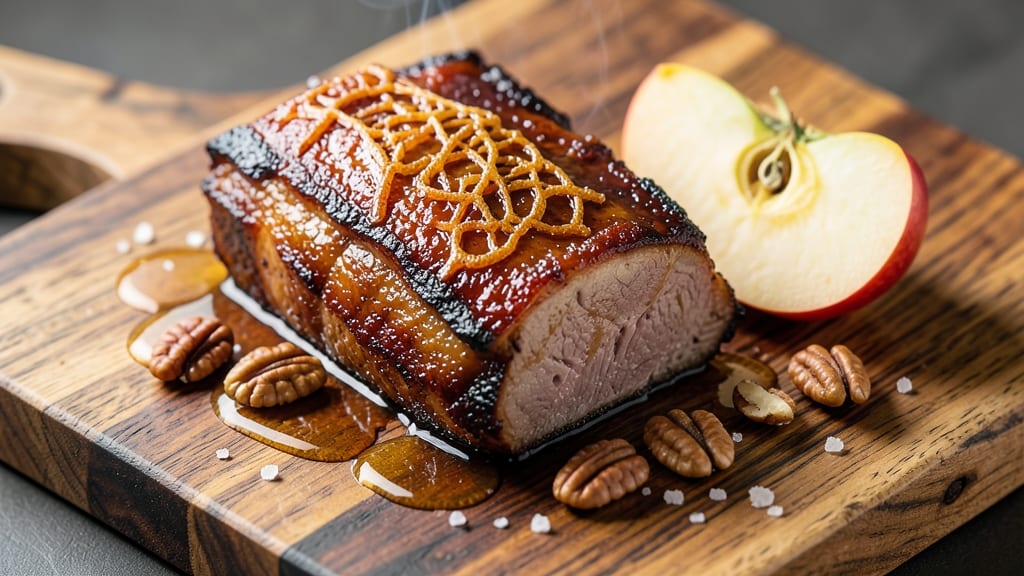
This apple brisket recipe transforms tough beef into melt-in-your-mouth perfection with a smoky-sweet apple cider glaze that caramelizes into a sticky, flavorful crust. The slow-cooked method ensures tender meat infused with autumnal warmth, while the glaze adds depth that rivals any competition-style brisket.
I've perfected this technique after countless hours in the kitchen, balancing traditional smoking methods with modern braising for foolproof results.
The secret lies in the apple cider reduction—simmered with spices until thick and glossy—while the brisket cooks low and slow, breaking down into irresistible slices. This recipe delivers restaurant-quality flavor without requiring specialized equipment, making it accessible for home cooks.
The combination of rich beef, caramelized apples, and aromatic spices creates a dish that's equally impressive for Sunday dinners or holiday gatherings.
By the final hour, your brisket will be fork-tender with a glossy glaze clinging to every bite, offering a perfect balance of smoky, sweet, and savory flavors. The aroma alone will have everyone anticipating dinner, while the texture guarantees each slice falls apart effortlessly.
This is comfort food elevated—simple yet sophisticated, with a technique that delivers consistent, show-stopping results.
Serve with classic sides like creamy mashed potatoes or roasted root vegetables to complete the meal. The glaze also works beautifully as a dipping sauce for crusty bread. Let's get cooking—this brisket will become your new signature dish.
Ingredients for apple brisket
Four pounds of brisket and a handful of autumnal spices create a dish worthy of competition tables.
| Ingredient | Amount | Notes |
|---|---|---|
| Beef Brisket 🥩 | 4 lb | Flat cut preferred, trimmed of excess fat |
| Apple Cider 🍎 | 2 cups | Unfiltered for deeper flavor, chilled |
| Brown Sugar 🍚 | ½ cup | Light or dark, packed |
| Apple Cider Vinegar 🍶 | ¼ cup | For tangy depth |
| Smoked Paprika 🌶️ | 2 tbsp | For authentic smoky flavor |
| Ground Black Pepper 🌶️ | 1 tbsp | Freshly cracked for intensity |
| Garlic Cloves 🧄 | 8 cloves | Minced for aromatic base |
| Onion 🧅 | 1 whole | Yellow, diced for caramelization |
| Fresh Thyme 🌿 | ¼ cup | Leaves only, stems removed |
| Bay Leaves 🌿 | 2 whole | For subtle earthy notes |
| Olive Oil 🫒 | ¼ cup | Extra-virgin for searing |
| Salt 🧂 | 2 tbsp | Diamond Crystal preferred |
| Honey 🍯 | 2 tbsp | Wildflower preferred |
| Fresh Cinnamon Stick 🌿 | 1 whole | For warmth in glaze |
The brisket cut is non-negotiable here—flat cut delivers the right fat-to-meat ratio for tender results. Source from a butcher who ages the meat at least 14 days for deeper flavor; Costco or Whole Foods carry well-aged options. Trim excess fat to ¼-inch thickness before cooking, but leave some for flavor. For the apple cider, unfiltered brands like Woodchuck or Angry Orchard add complexity. The vinegar should be raw, unfiltered apple cider vinegar—Bragg is a reliable choice. Fresh thyme and bay leaves elevate the dish, so don't substitute dried unless absolutely necessary—one-third the amount of dried thyme works in a pinch, but fresh is ideal.
No smoked paprika? Substitute 1 tbsp regular paprika plus ½ tsp liquid smoke for depth, though the flavor won't be identical. Running short on apple cider? Apple juice works, but reduce by ¼ cup to prevent excess moisture. Prefer less sweetness? Cut the brown sugar to ⅓ cup and add 1 tbsp molasses for complexity. The honey can be swapped for maple syrup if needed, though it alters the caramelization slightly. For the cinnamon, ground cinnamon at half the amount (½ tsp) is a decent substitute, though the stick adds visual appeal. The garlic and onion should be finely minced—a food processor makes quick work of it, but a sharp knife works too.
Brisket reheats beautifully—warm in the oven at 300°F for 15 minutes with fresh glaze for restaurant-quality results. Leftovers keep 4-5 days in the fridge, though the glaze may thicken; reheat with a splash of apple cider to restore consistency. For longer storage, freeze for up to 3 months—wrap tightly in foil to prevent freezer burn. The glaze alone makes a stunning dipping sauce for crusty bread or topping for roasted vegetables. Portion into single-serving containers for easy meal prep, as the brisket becomes even more tender with each reheat.
Why You'll Love This Recipe
- Foolproof Slow Cooker: I swear, this recipe is the only time I’ve ever thrown brisket in the crockpot without stressing. Just dump in the raw cut, pour over apple cider and vinegar, and let it work its magic—no babysitting required.
- Sweet-Savory Magic: That combo of brown sugar and apple cider vinegar? It’s like someone took a bite of fall and turned it into sauce. The smoked paprika adds this deep, smoky warmth that makes every forkful feel like a hug.
- Game-Day Crowdpleaser: Between us, this is my go-to for tailgates or big dinners. The brisket shreds easily, and the sauce clings to everything—perfect for sloppy joes, nachos, or just a pile of buttery buns.
- Budget-Friendly Feast: A whole pack of brisket feeds my family for days, and the apples and vinegar stretch the flavor without breaking the bank. Honestly, I’ve made this with store-brand cider and still got rave reviews.
Step-by-step instructions for apple brisket with caramelized glaze
Master this technique and you'll achieve tender brisket with a perfect balance of smoky depth and sweet caramelized crust.
Prepare the Brisket and Dry Rub
Remove the beef brisket from the refrigerator and pat it completely dry with paper towels. This drying step is crucial—it creates that signature bark we're after. Trim any excess fat, leaving about ¼-inch thickness on the fat cap to protect the meat during cooking.
In a small bowl, combine the 2 tablespoons smoked paprika, 1 tablespoon ground black pepper, and 2 tablespoons salt. Rub this mixture generously over all sides of the brisket, pressing firmly so the spices adhere. Let the seasoned brisket sit at room temperature for 30 minutes while you prepare the aromatics. This resting period ensures even cooking throughout.
Build the Aromatic Base for Braising
Heat the ¼ cup olive oil in a large Dutch oven over medium heat. Add the diced onion and cook for 5-6 minutes until softened and beginning to caramelize. Add the 8 minced garlic cloves and cook for another 30 seconds until fragrant—don't let it brown or it'll turn bitter.
Stir in the ¼ cup fresh thyme leaves and 2 whole bay leaves. Cook for 1 minute until the thyme releases its aromatic oils. Remove the pot from heat and set aside. This aromatic base forms the flavor foundation for your apple brisket, creating layers of complexity that braising alone can't achieve.
Sear the Brisket for Maximum Flavor
Increase heat to medium-high and carefully place the brisket fat-side down in the Dutch oven. Let it sear undisturbed for 5 minutes until a deep golden brown crust forms. Flip the brisket and sear the other side for another 4-5 minutes. This high-heat sear creates the Maillard reaction that develops that rich, meaty flavor we crave.
Remove the brisket and set it aside. Pour out all but 2 tablespoons of the rendered fat from the Dutch oven—you'll use this later for the glaze. The remaining fat contains concentrated flavor that will enhance your final sauce. Don't wipe out the pot completely; those browned bits are pure flavor.
Braise with Apple Cider and Spices
Return the Dutch oven to medium heat and add the 2 cups apple cider, ½ cup brown sugar, ¼ cup apple cider vinegar, 2 tablespoons honey, and the whole fresh cinnamon stick. Bring to a simmer, scraping up any browned bits from the bottom with a wooden spoon. This deglazing step captures all the flavor you've built.
Return the brisket to the pot, fat-side up, and add enough water to come about halfway up the sides of the brisket. Bring to a gentle boil, then reduce heat to maintain a low simmer. Cover and cook for 2 hours. The liquid should be reduced by about ¼ by the end of this time, concentrating the flavors. Check occasionally to ensure there's always some liquid present.
Finish with Caramelized Glaze
After 2 hours, remove the brisket and set it aside. Increase heat to medium-high and simmer the braising liquid uncovered for 10-15 minutes until reduced by half and syrupy. The glaze should coat the back of a spoon and have a deep amber color with caramelized bits.
Return the brisket to the pot, spooning the glaze over the top. Cover and cook for another 30 minutes to let the brisket absorb the caramelized flavors. Check for doneness by inserting a meat thermometer—the internal temperature should reach 195-200°F. If it's not quite there, continue cooking for another 15-20 minutes.
Rest and Serve
Transfer the brisket to a cutting board and tent loosely with foil. Let it rest for at least 30 minutes before slicing. This resting period is essential—it allows the juices to redistribute throughout the meat, ensuring each slice is moist and flavorful.
Slice the brisket against the grain into ¼-inch thick pieces. Spoon the caramelized glaze over the top and serve immediately with the reduced braising liquid spooned around the sides. The combination of tender, juicy meat with that perfect balance of smoky, sweet, and tangy flavors makes this apple brisket truly special.
Pro Tips For Making Apple Brisket
- Trim the Fat First: Slice off that thick layer of fat from the brisket before cooking—it’s not just for looks. Thin fat renders faster and won’t turn your pan into a grease fire, plus it lets the apple cider and vinegar cling to the meat instead of getting lost in a pool of rendered beef.
- Deglaze Like a Boss: After searing the brisket, don’t just dump the apple cider in and walk away. Scrape up those browned bits with a wooden spoon first—those are pure flavor, and skipping this step means you’re leaving money on the table (literally).
- Skip the Boil: If your apple cider-vinegar-browning-sugar sauce starts bubbling wildly, lower the heat or walk away for a minute. Boiling turns the sauce bitter and syrupy; you want it to simmer gently so the flavors meld instead of fighting each other.
- Rest Under Foil: After pulling the brisket from the heat, tent it loosely with foil and let it sit for 15-20 minutes. This keeps it juicy—no one wants dry brisket, especially when you’ve gone to the trouble of braising it with apples. (Yes, even if you’re impatient like me.)
Make-ahead tips for apple brisket
Glaze Prep Ahead
Make the apple cider glaze up to 3 days in advance and store it in an airtight container in the fridge. The flavors deepen as it sits, and you can reheat it gently on the stovetop before using.
I like to reduce it further by simmering uncovered for 5-10 minutes to intensify the caramelization. This is especially helpful if you're prepping for a big gathering—just reheat and pour over the brisket at the last minute. 🍎
Brisket Prep Timeline
Season your brisket and let it rest at room temperature 1-2 days before cooking. This extended resting time creates a more even texture and allows the spices to penetrate deeper. Store it uncovered on a plate in the fridge, turning it occasionally to prevent drying.
I often do this the night before—it’s one less thing to worry about on cooking day. The brisket will be ready to sear when you are. ⏰
Slow Cooker Adaptation
For a hands-off approach, sear the brisket as directed, then transfer it to a 6-quart slow cooker with all the braising ingredients. Cook on LOW for 8 hours or HIGH for 5 hours, then finish with the glaze reduction on the stovetop.
This method is perfect for busy schedules—just set it and forget it until dinner time. The slow cooker maintains consistent heat, ensuring tender results every time. 🔥
Portioning for Meals
Slice the brisket into ¼-inch thick portions and store in single-serving airtight containers with a small spoonful of glaze. Reheat in the microwave for 1-2 minutes with a splash of water to restore moisture.
I like to prep 2-3 portions at a time for quick lunches or leftovers. The glaze reheats beautifully, so you can even drizzle it fresh on top before serving. 💪
Freezer-Friendly Strategy
Freeze the cooked brisket in portioned slices with a thin layer of glaze between each piece. This prevents freezer burn and makes reheating a breeze. Thaw overnight in the fridge, then reheat in the oven at 300°F for 15 minutes with extra glaze for that restaurant-quality finish.
Label containers with dates—this brisket stays delicious for up to 3 months in the freezer. 🧊
Glaze Leftovers
Use any leftover glaze as a dipping sauce for roasted vegetables or a glaze for pork chops. Store it in the fridge for up to 1 week or freeze in ice cube trays for single-use portions.
I often drizzle it over mashed potatoes or cornbread for an instant flavor boost. The versatility of this glaze makes it a pantry staple worth making extra. ✨
Nutrition facts
Frequently asked questions
Can I use regular apples instead of apple cider for this recipe?
While you can use chopped apples, they'll create a thicker, chunkier sauce that won't caramelize as beautifully as the cider reduction. For best results, stick with the cider, but if you must substitute, simmer 2 peeled, cored apples with the braising liquid and strain out the solids before finishing the glaze. The texture will be different but still delicious!
How do I know when my brisket is fully cooked?
Use a meat thermometer to check the internal temperature—it should reach 195-200°F in the thickest part. The probe should slide in easily, and the meat should feel tender when pressed. If you don't have a thermometer, look for a fork-tender texture and check that the connective tissue dissolves easily. Never judge by time alone!
Can I make this in an oven instead of a Dutch oven?
Yes! Transfer the seared brisket to a roasting pan with the braising liquid, cover tightly with foil, and bake at 300°F for 3 hours. For the glaze, remove the foil and broil for 5 minutes to caramelize. The oven method works well if you don't have a Dutch oven, though the Dutch oven's tight fit helps concentrate flavors better.
What's the best way to reheat leftover apple brisket?
Slice the brisket and reheat in a skillet with a splash of apple cider or water over medium-low heat for 5-7 minutes until warmed through. For oven reheating, cover with foil and bake at 300°F for 15 minutes, then broil for 2 minutes to restore the glaze's shine. Avoid microwaving—it makes the meat tough.
Can I use this glaze on other meats?
This glaze works beautifully on pork shoulder, chicken thighs, or even roasted vegetables. For pork, reduce the cooking time to 2 hours and adjust the glaze reduction time accordingly. The sweet-tangy balance complements many proteins—just adapt the cooking times to the meat's size.